Hokuriku - April 2026
Miharu welcomed our guests at Haneda Airport with signs displaying their names, and we checked into a hotel directly connected to the airport. Some guests went out to explore Tokyo, while others chose to rest early before the tour began the next day.
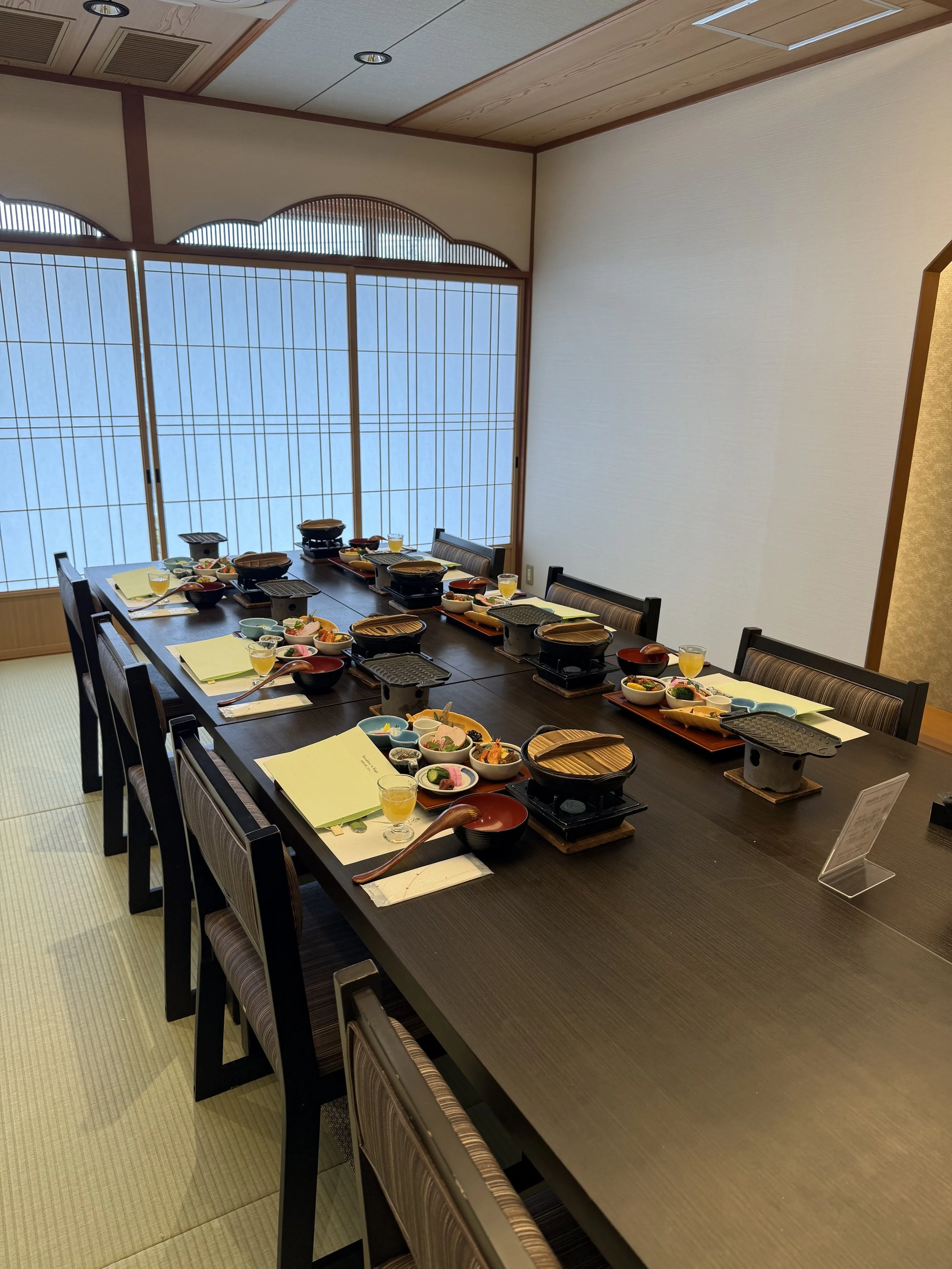
We value authentic experiences on our tours, so we could not miss a traditional Japanese breakfast. After breakfast, we took a flight to Toyama Kitokito Airport. (“Kitokito” means “fresh” in the Toyama dialect.)
We often choose domestic flights instead of taking the bullet train for a more comfortable transfer, and it is always a pleasure to visit smaller regional airports with a strong local character. Even at the baggage claim, we were greeted by a display celebrating Toyama Bay sushi.
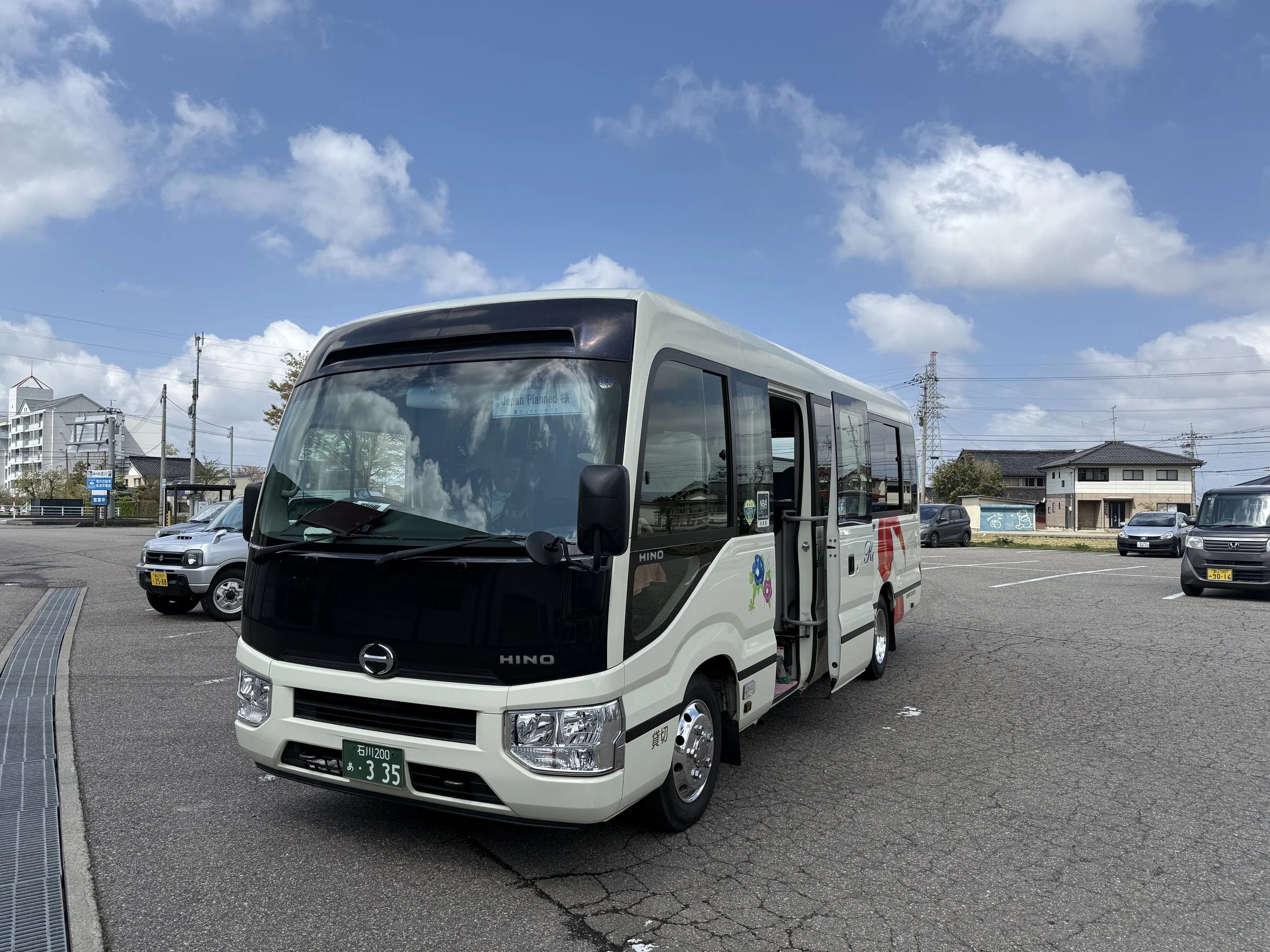
Our driver for the tour, Kita-san, welcomed us at the arrival gate, and we boarded our private microbus, which we used throughout the trip.
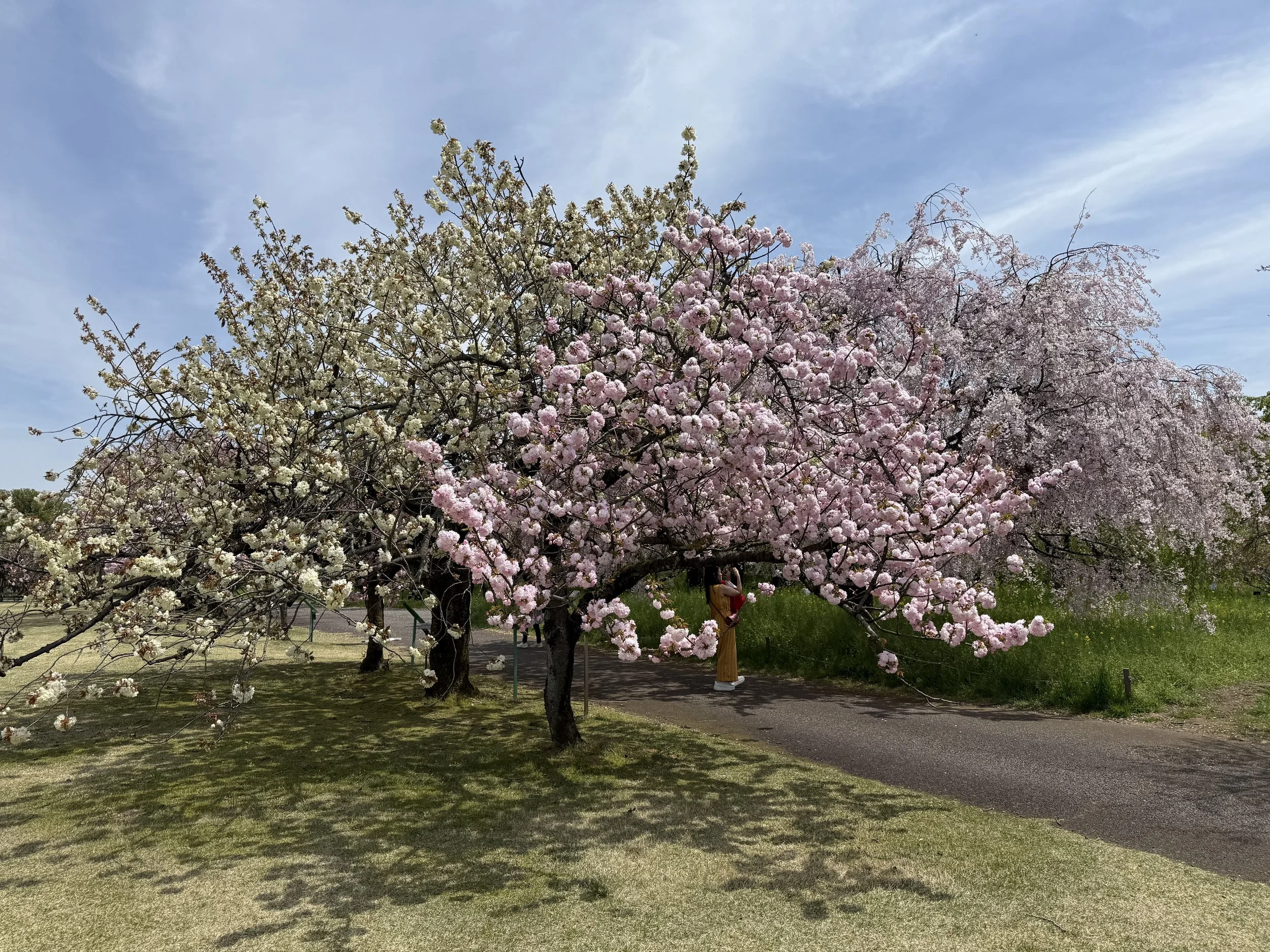
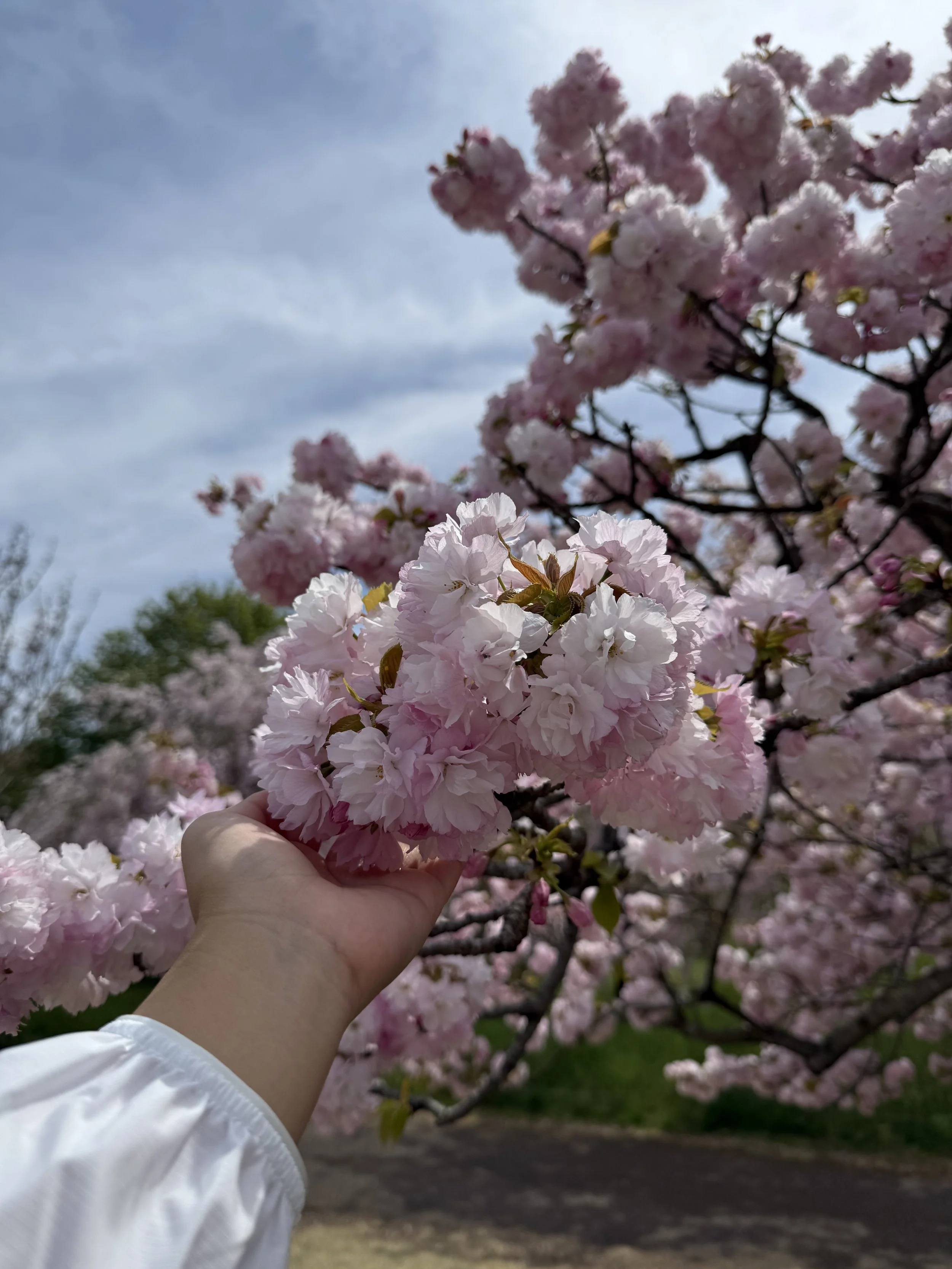
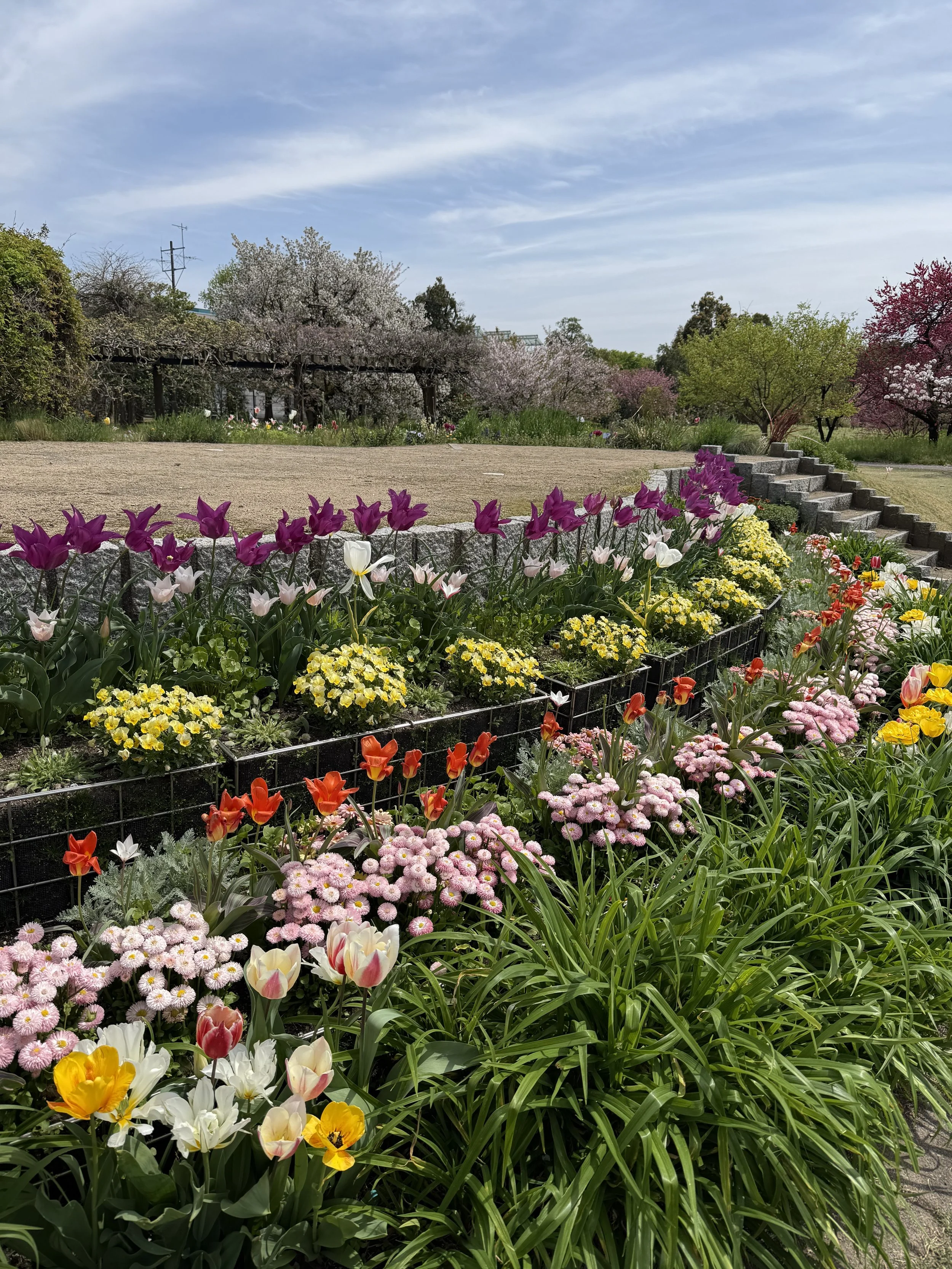
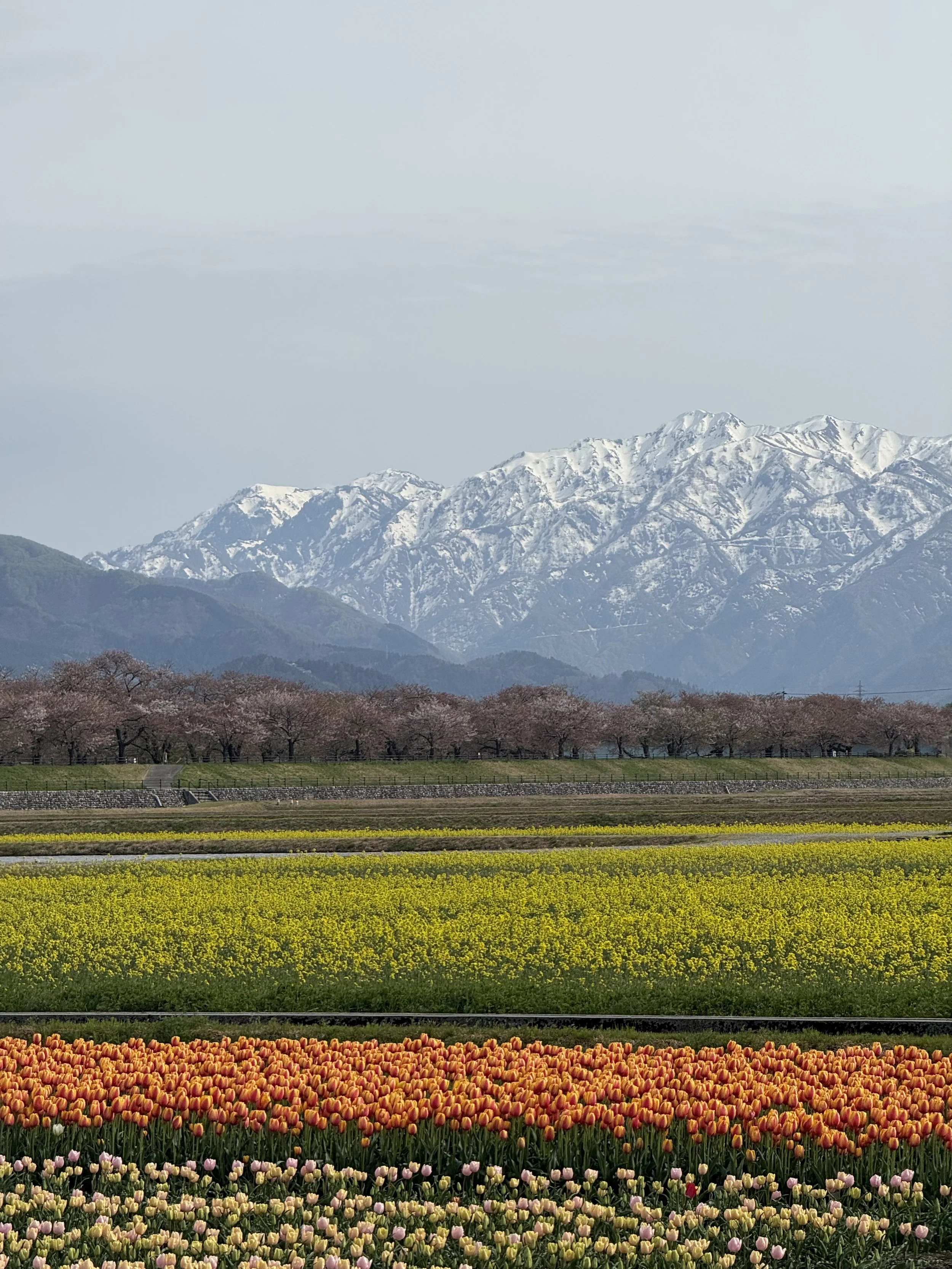
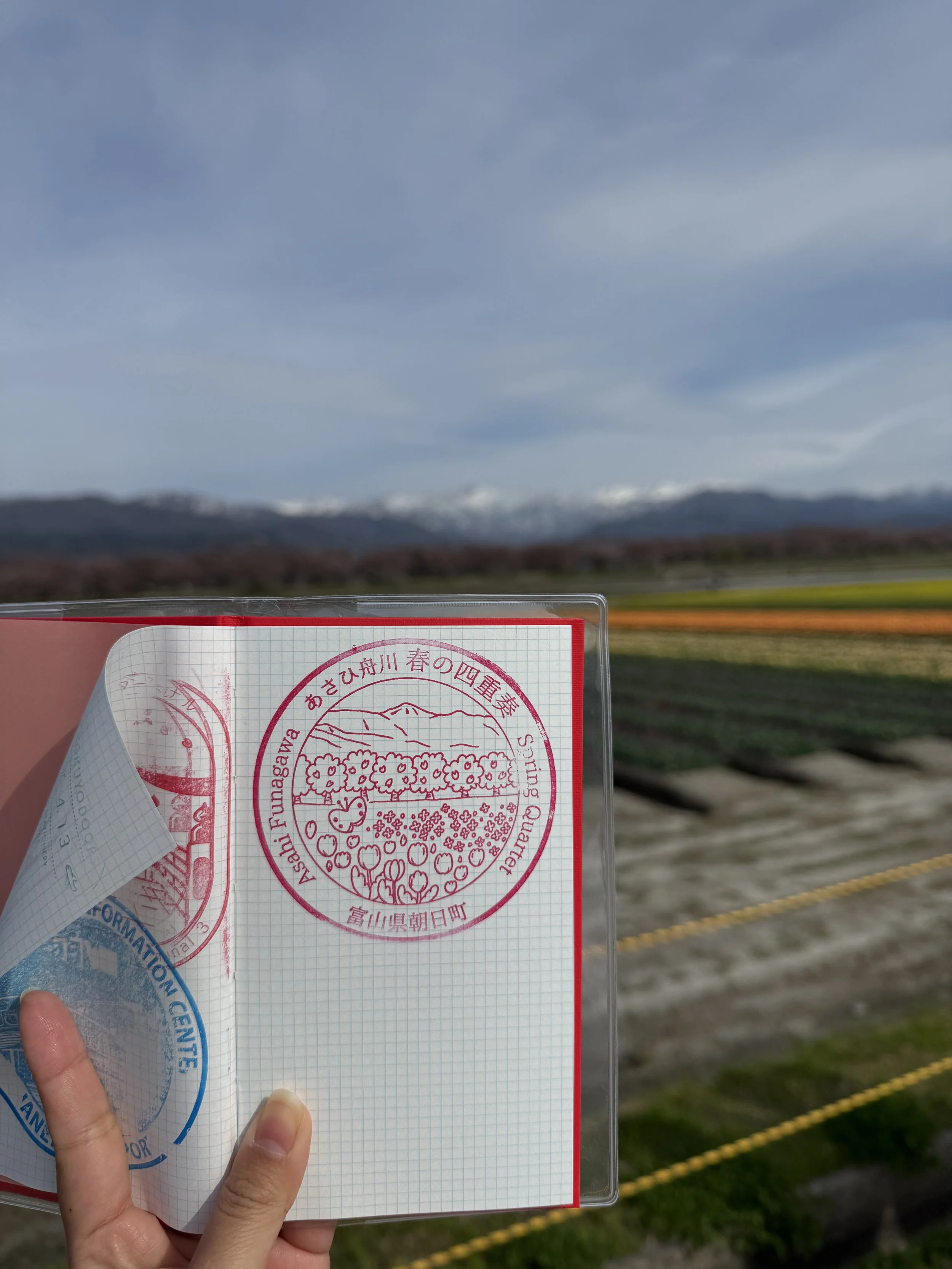
Our first touring day was all about cherry blossoms. We visited a peaceful botanical garden, followed by the increasingly popular Asahi Funagawa Spring Quartet, famous for its stunning combination of cherry blossoms, tulips, and the surrounding scenery. Although the cherry blossoms bloomed a little earlier this year, the tulips were in full bloom and absolutely beautiful.

During this tour, we stayed at two onsen resorts: Himi and Yamashiro Onsen.
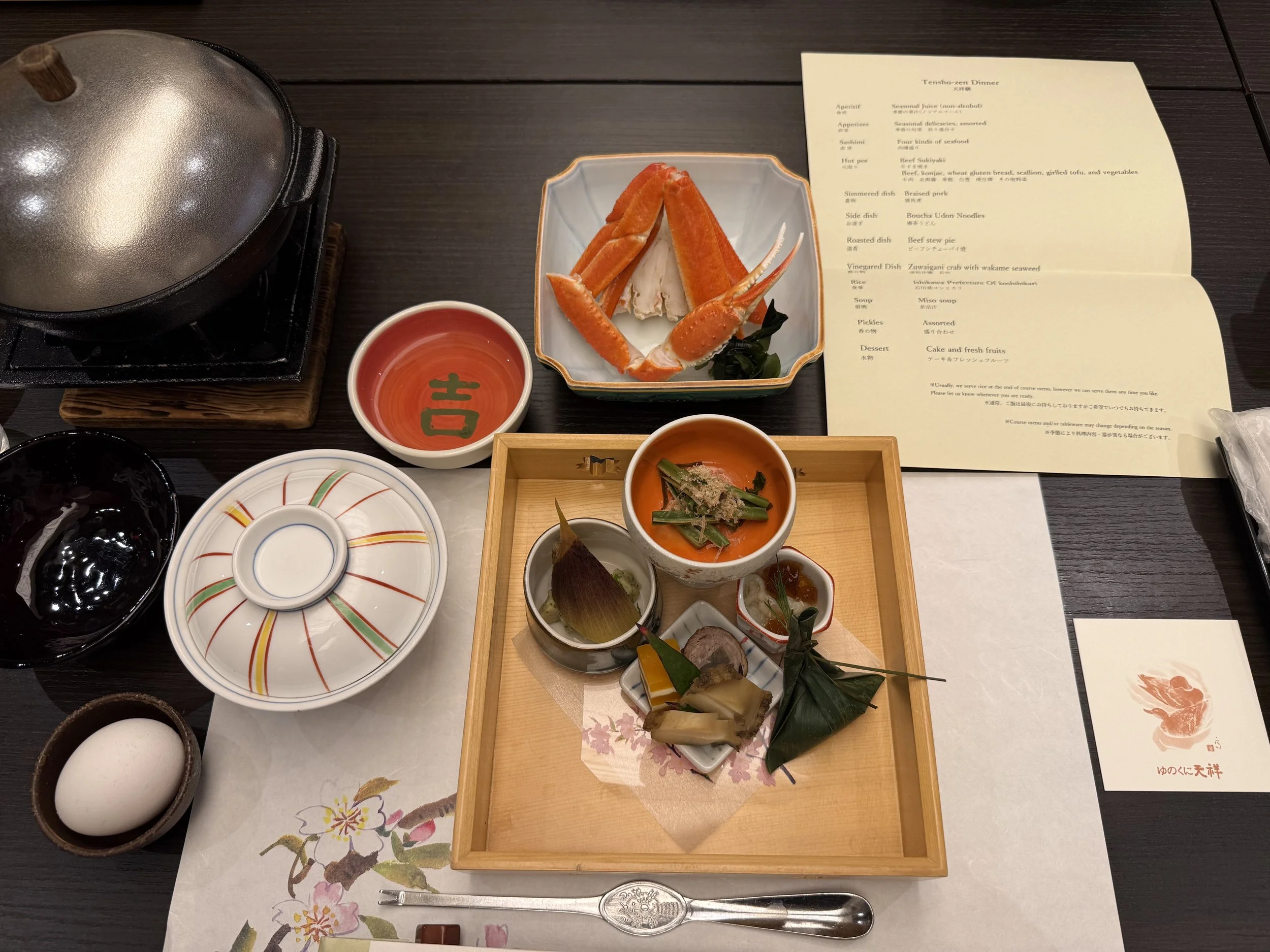
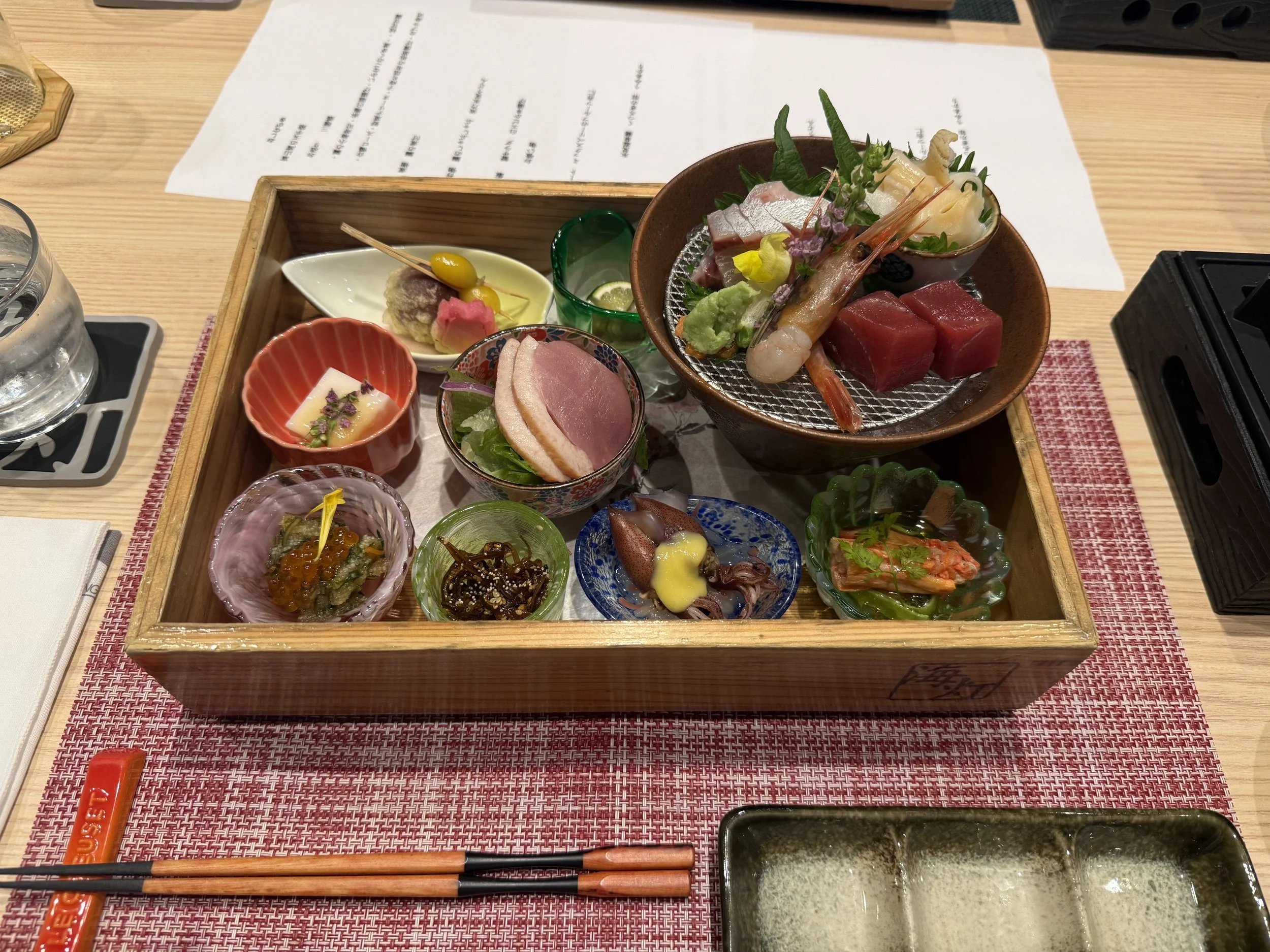
Himi offered beautiful coastal views not only from the guest rooms, but also from the breakfast venue and public onsen baths. Of course, the seafood was outstanding. The sashimi was so fresh it melted on our tongues.
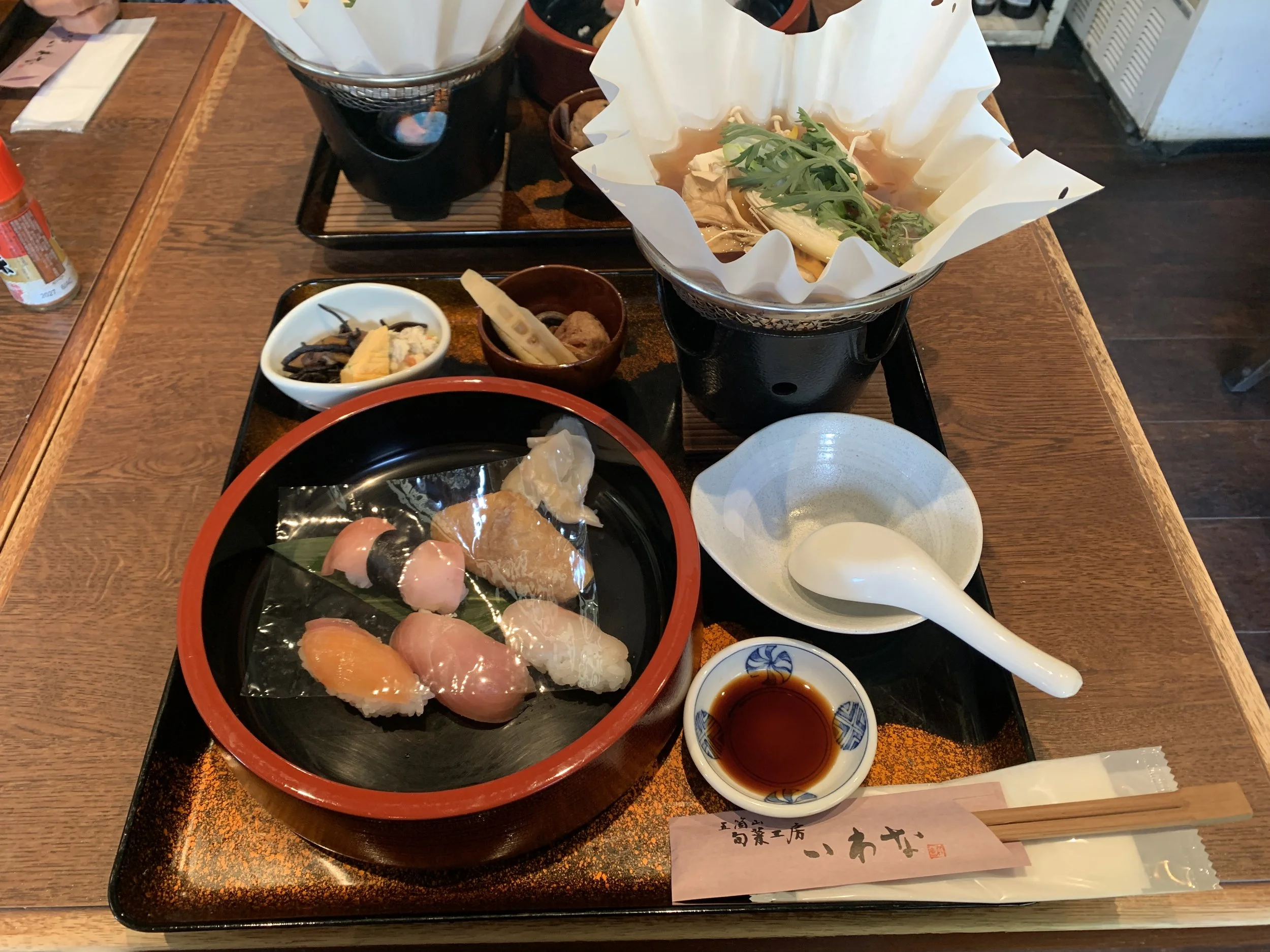
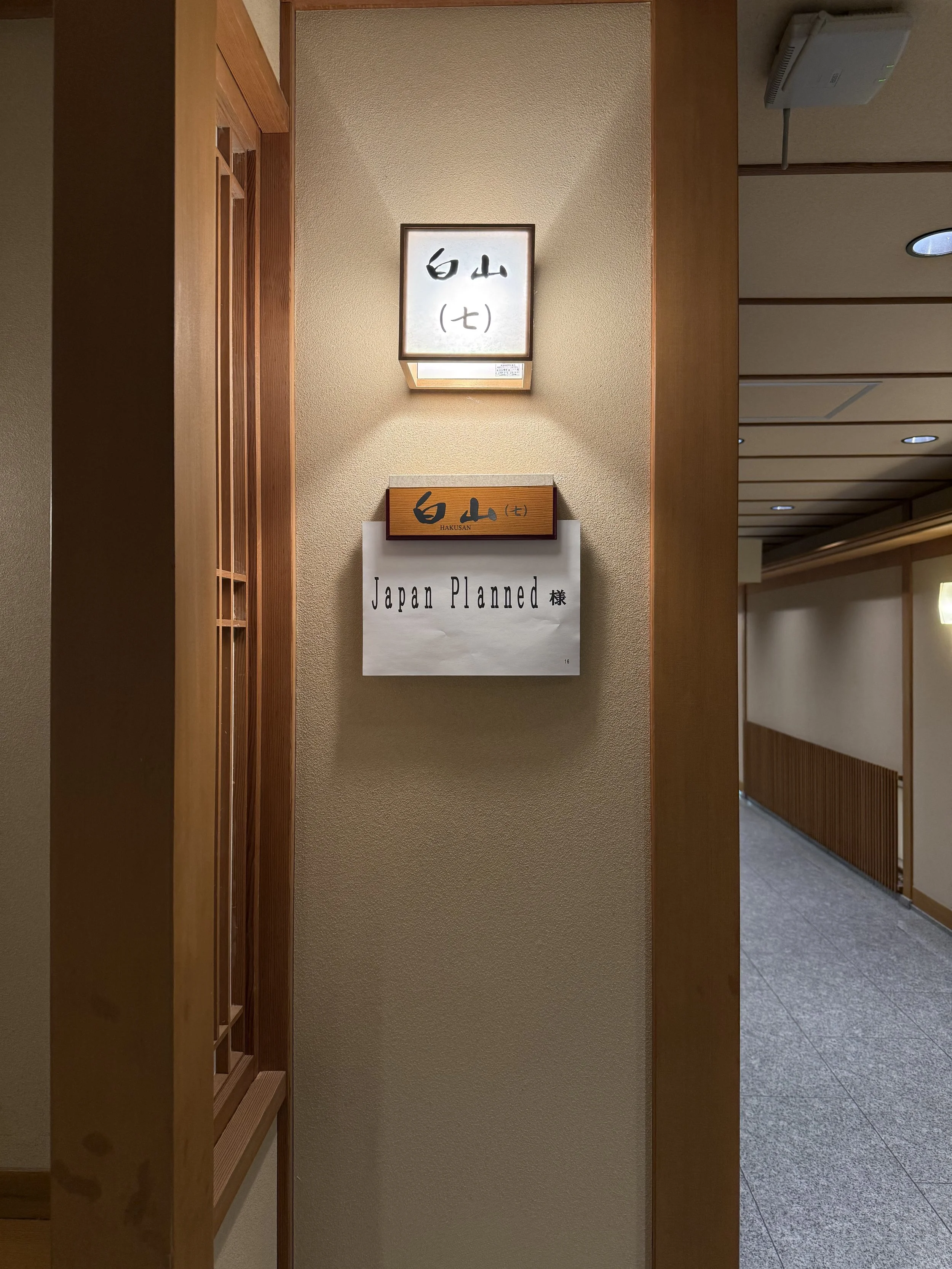
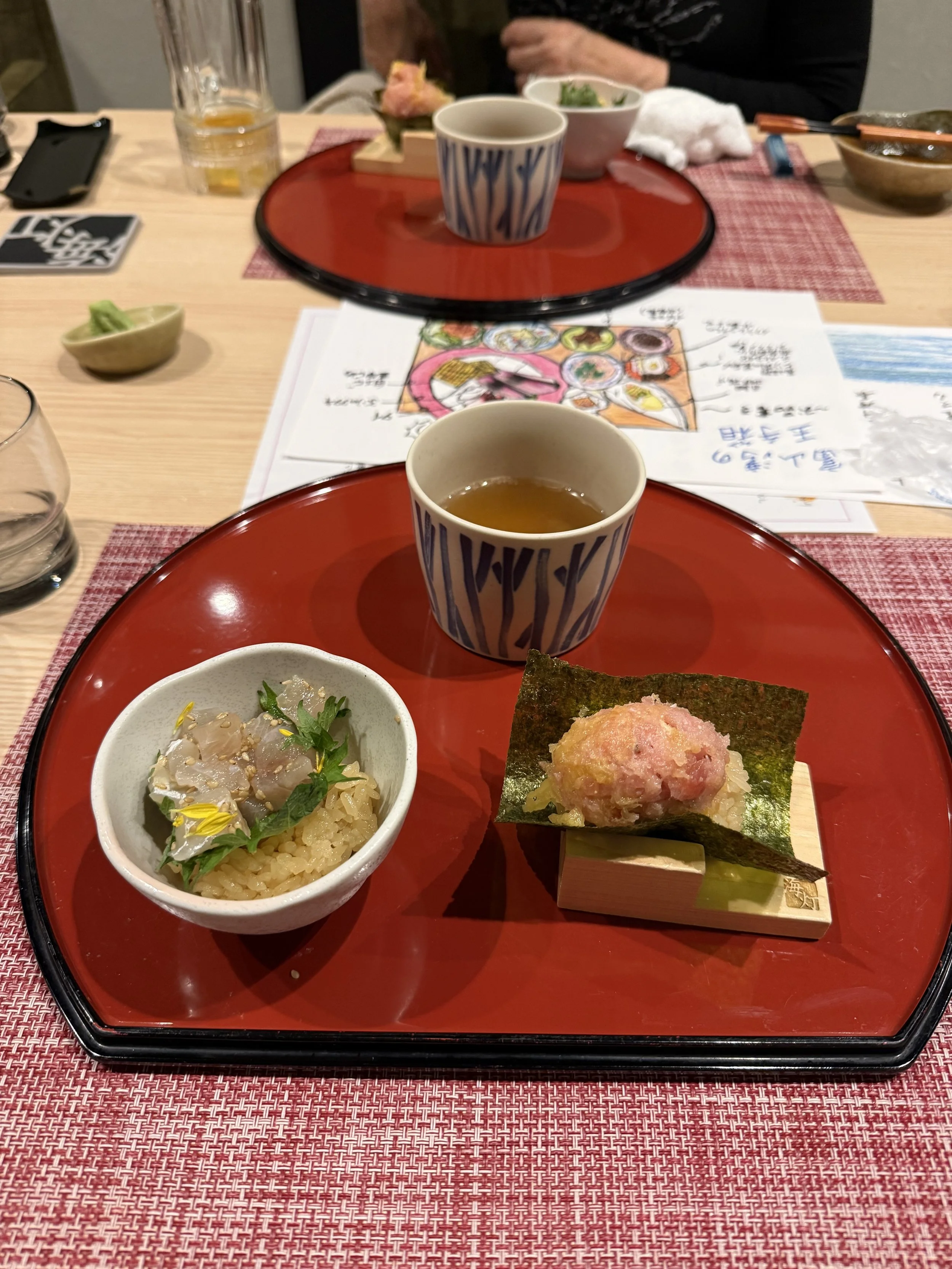
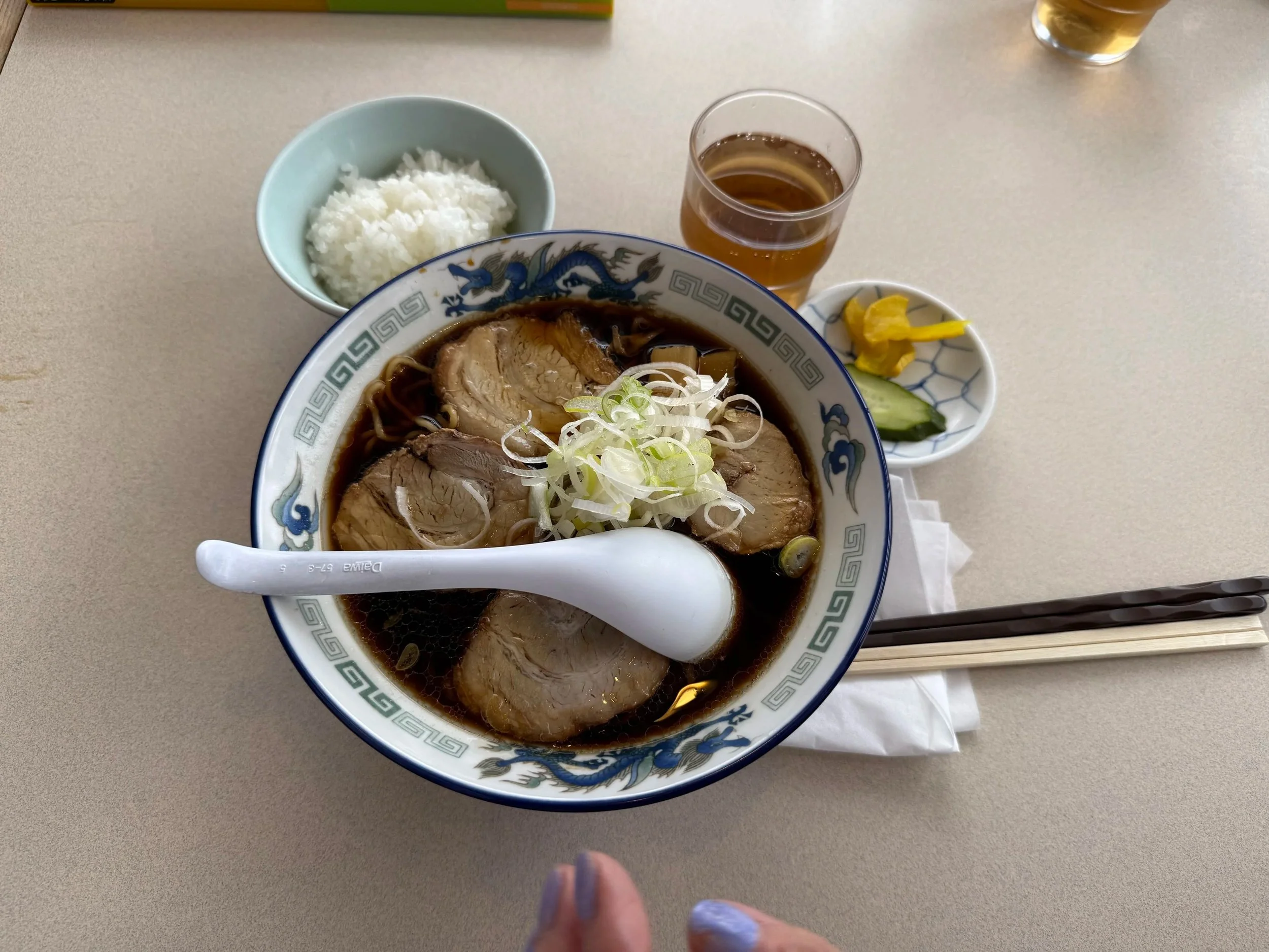
Speaking of cuisine, we enjoyed many regional specialties including Kanazawa curry, Toyama Black ramen, Toyama Bay omakase sushi, Komatsu udon, and more.
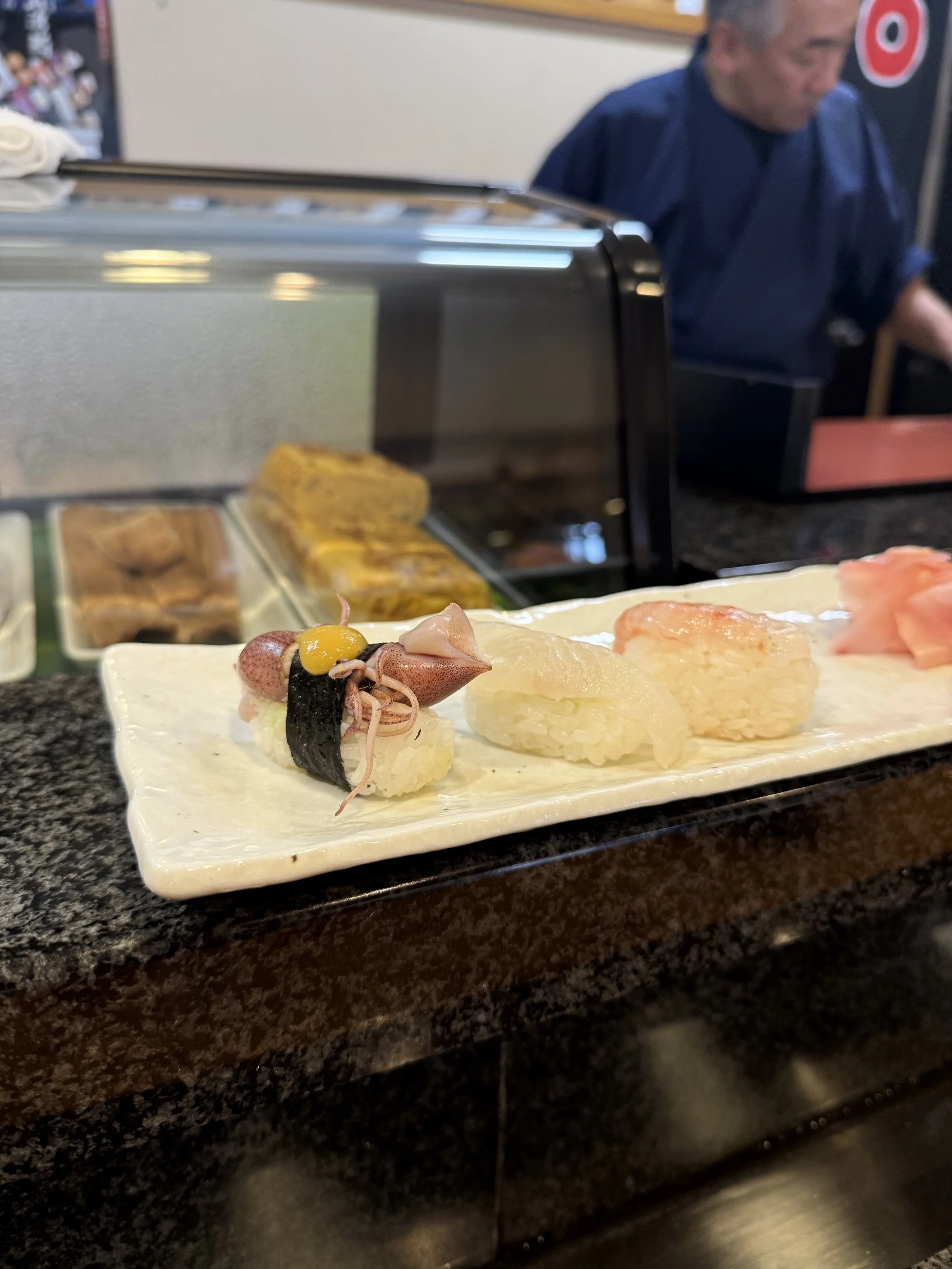
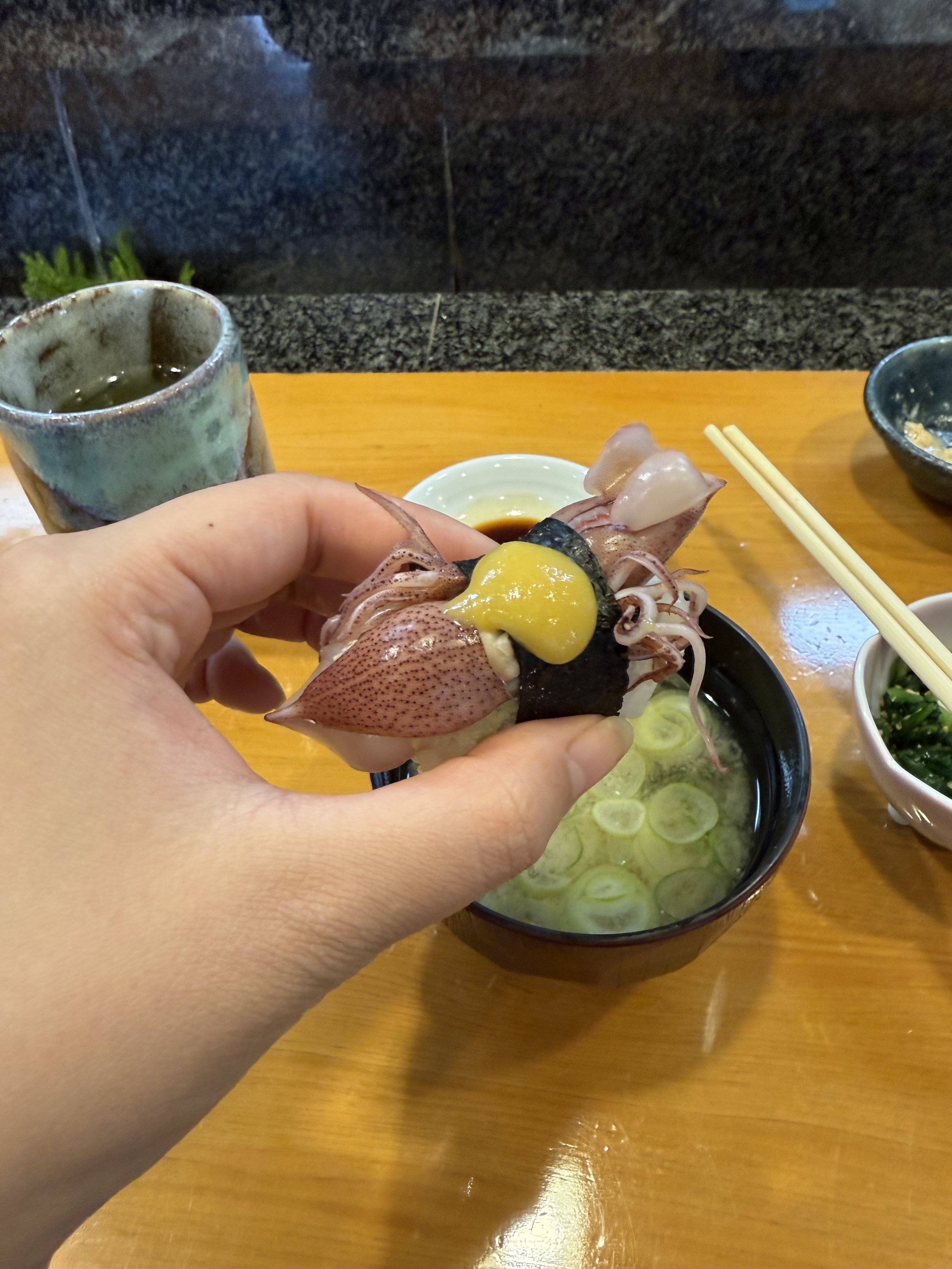
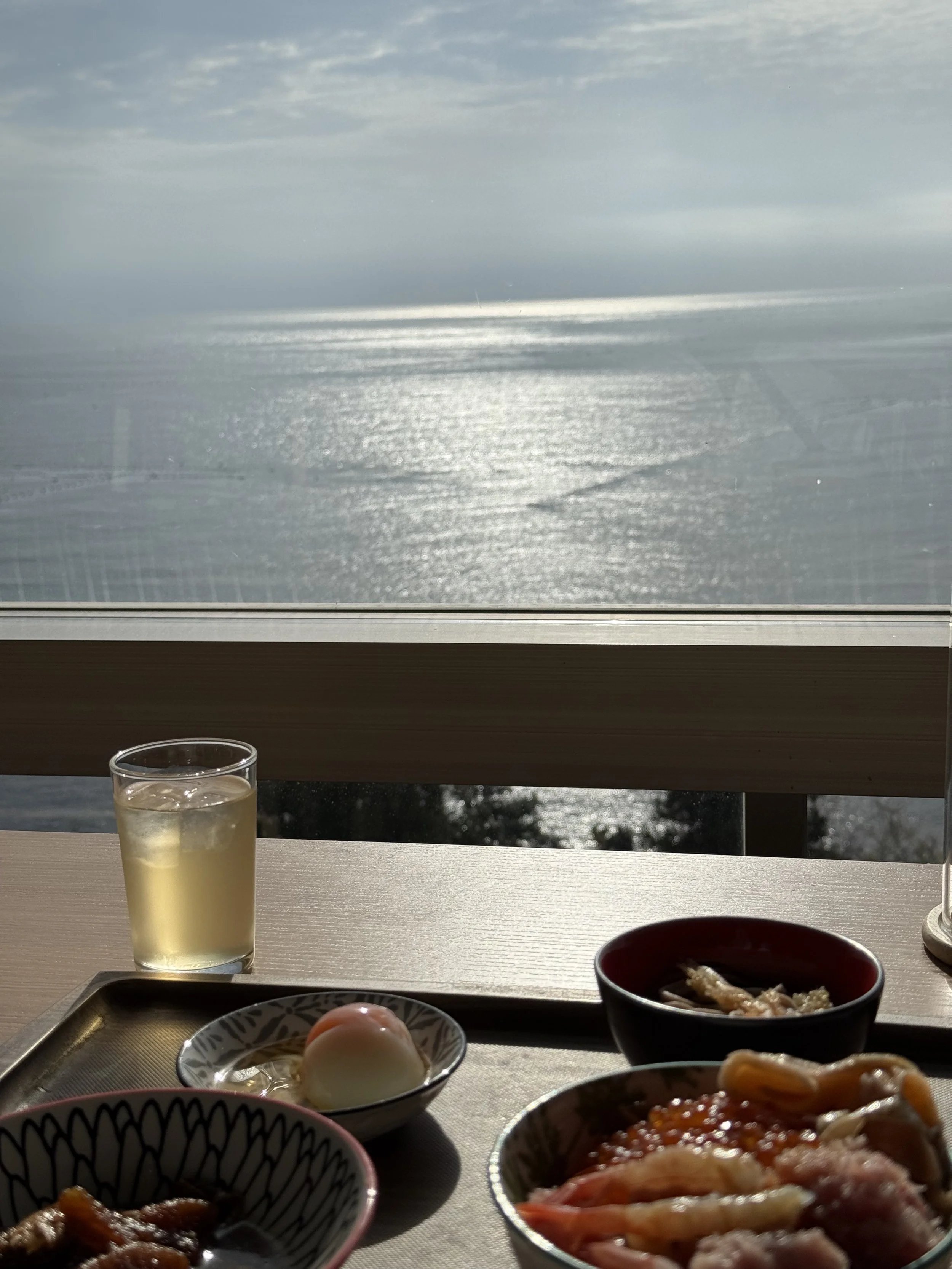
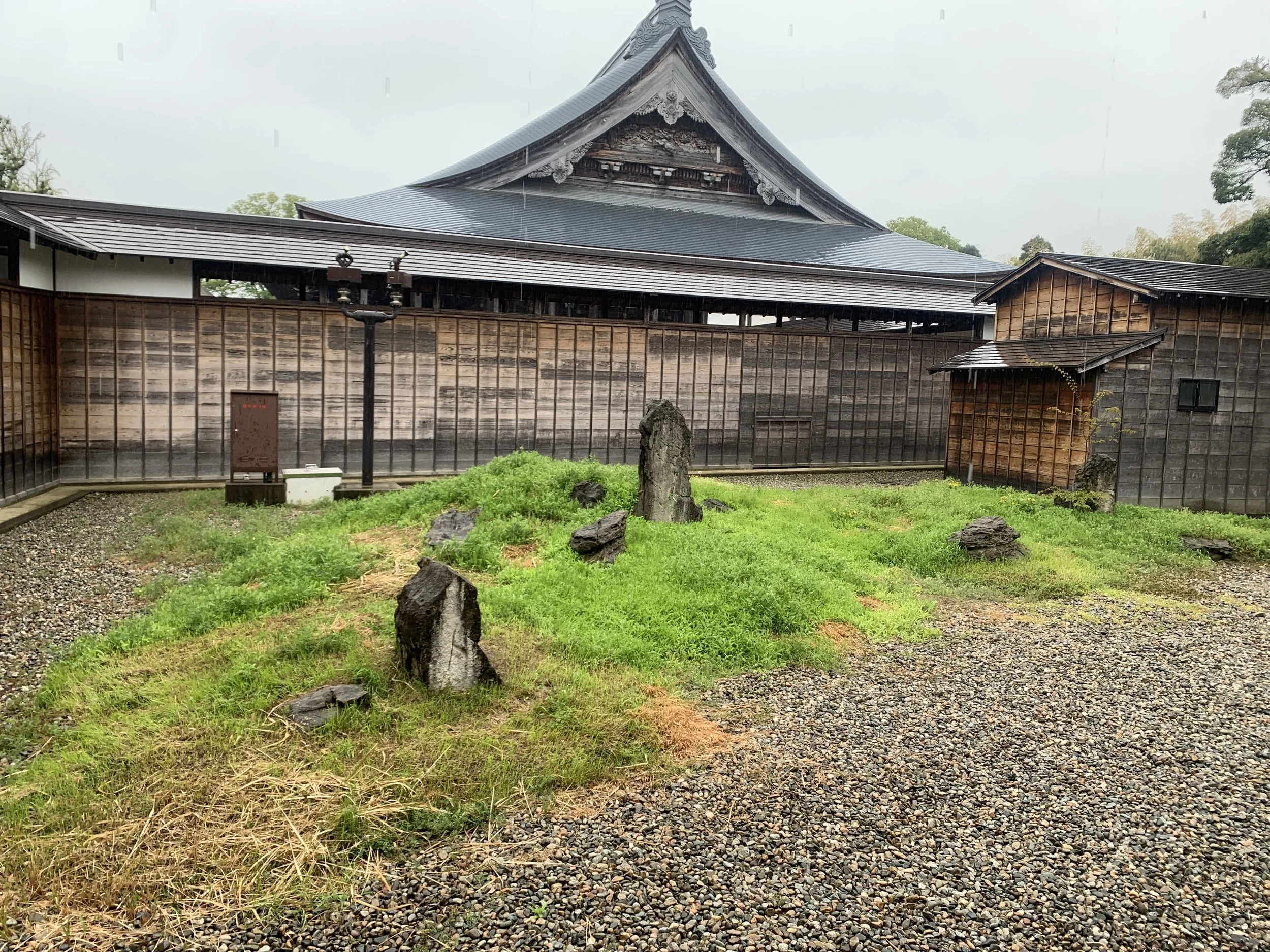
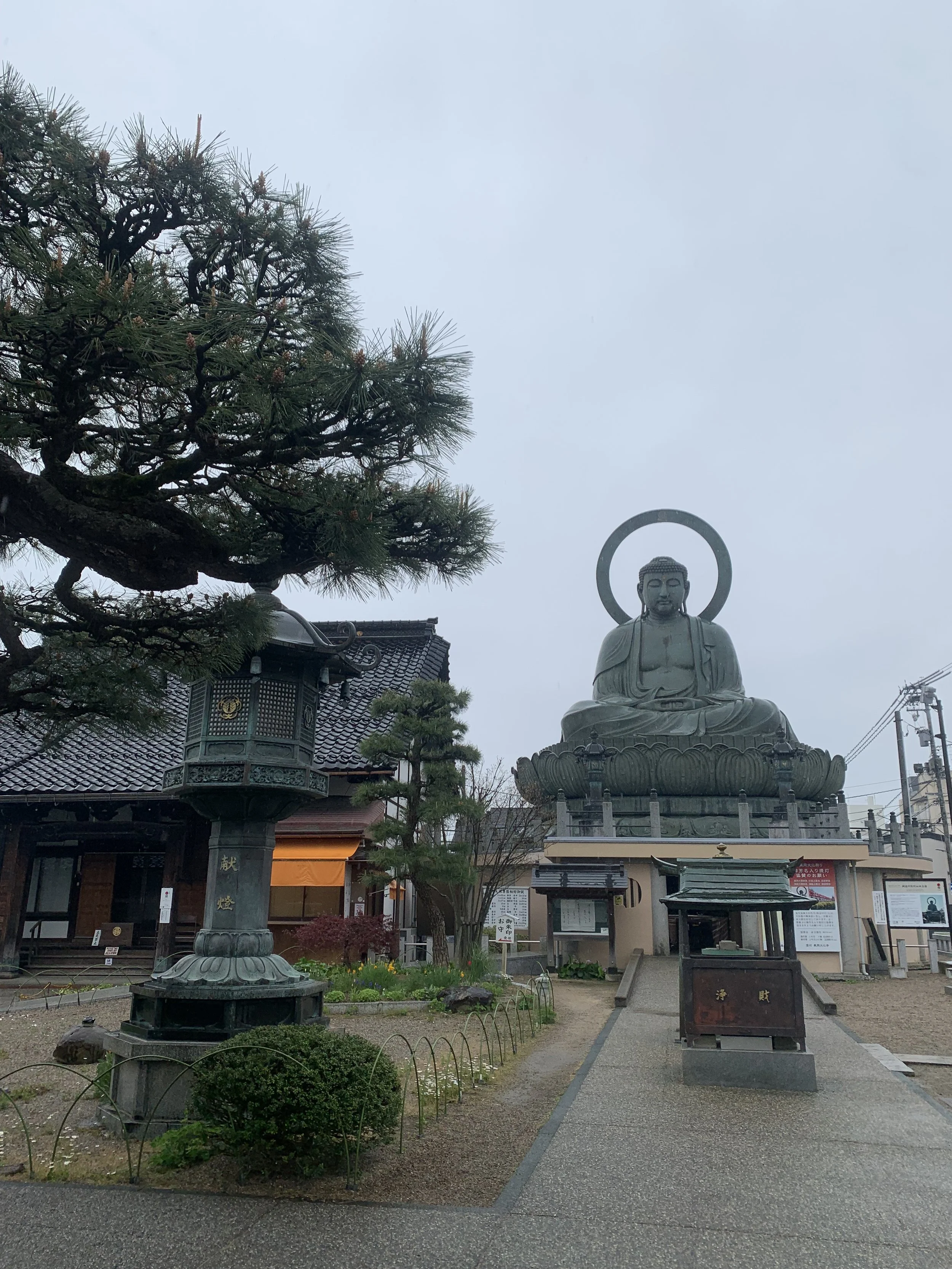
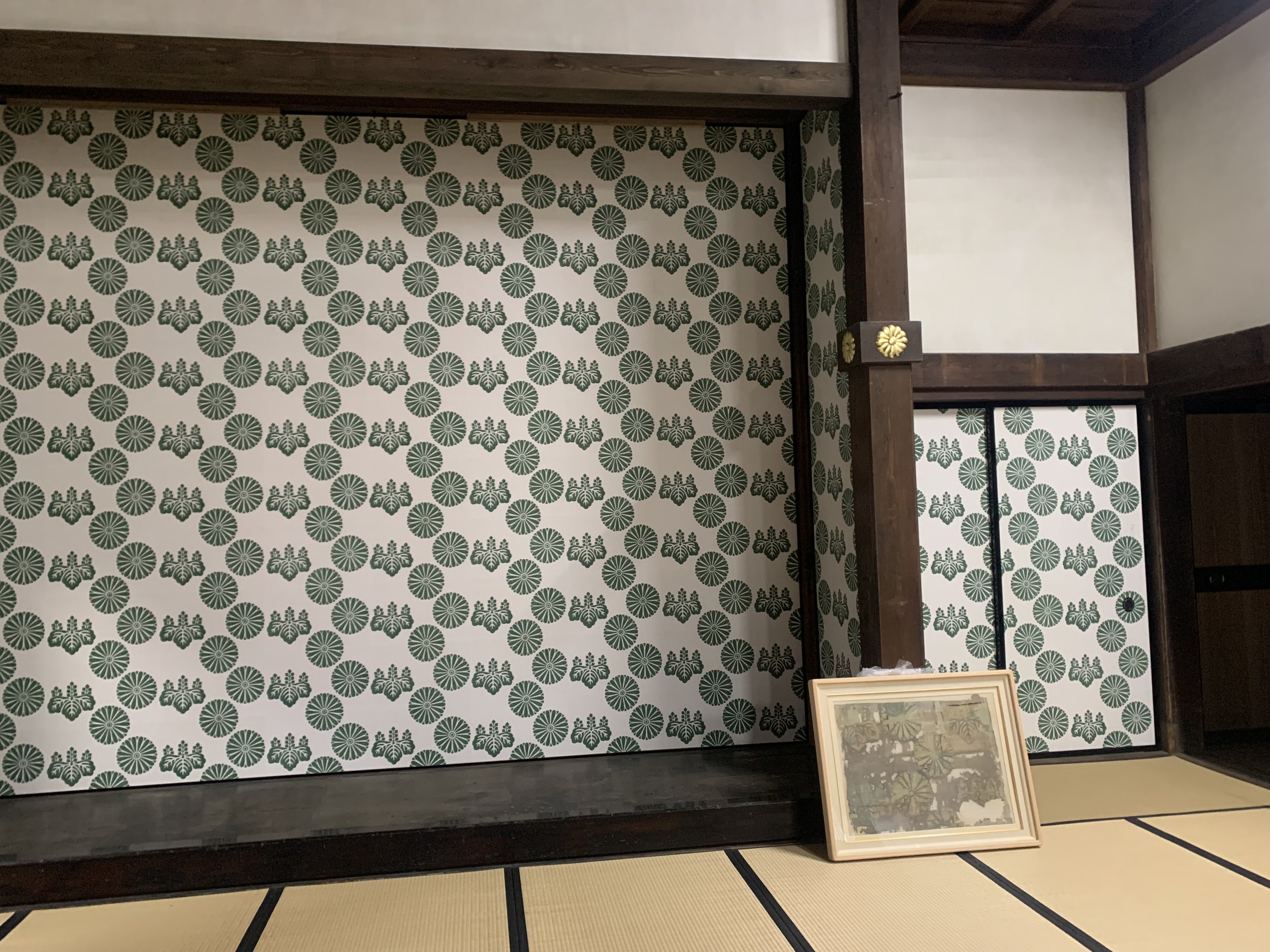
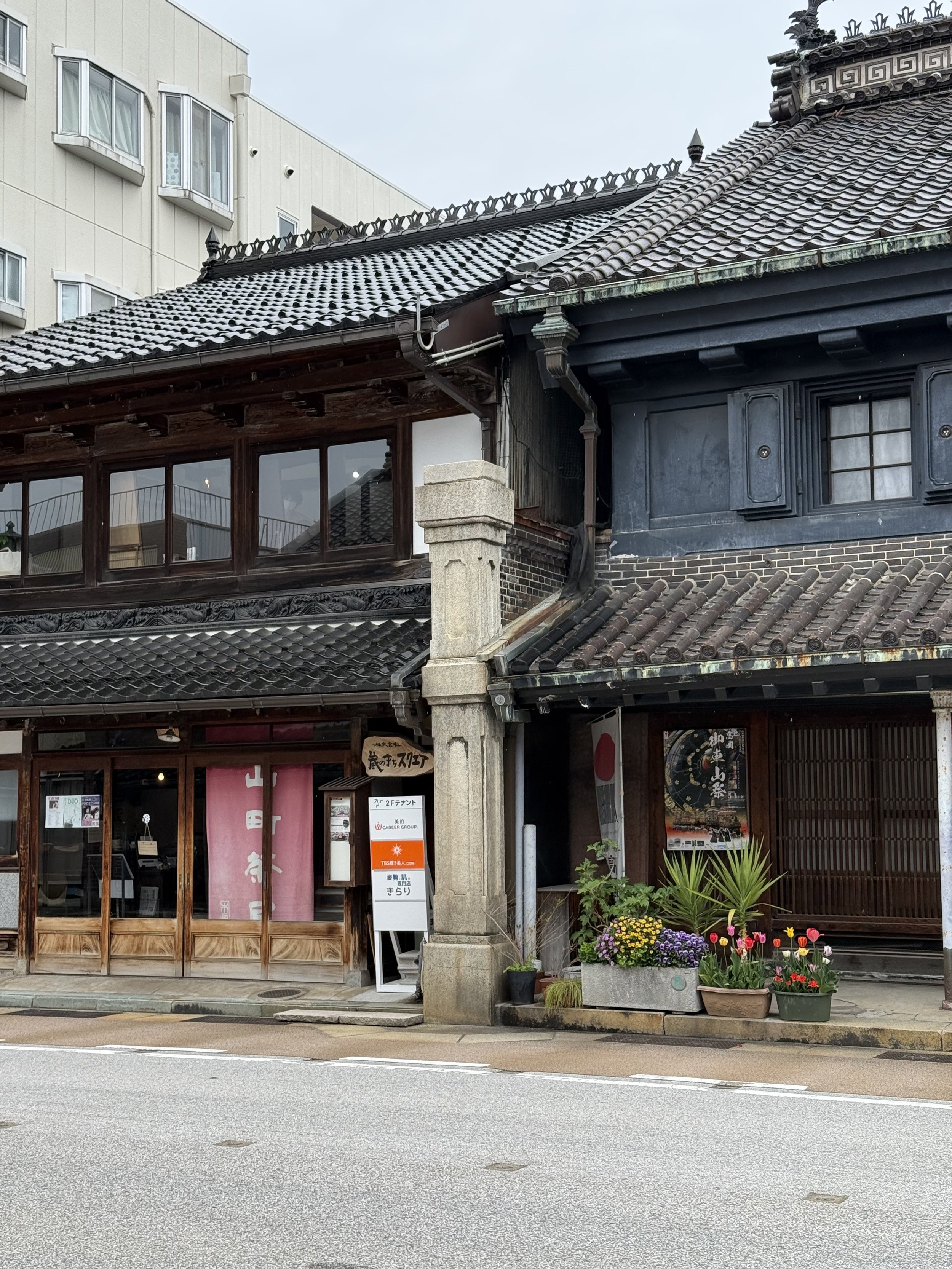
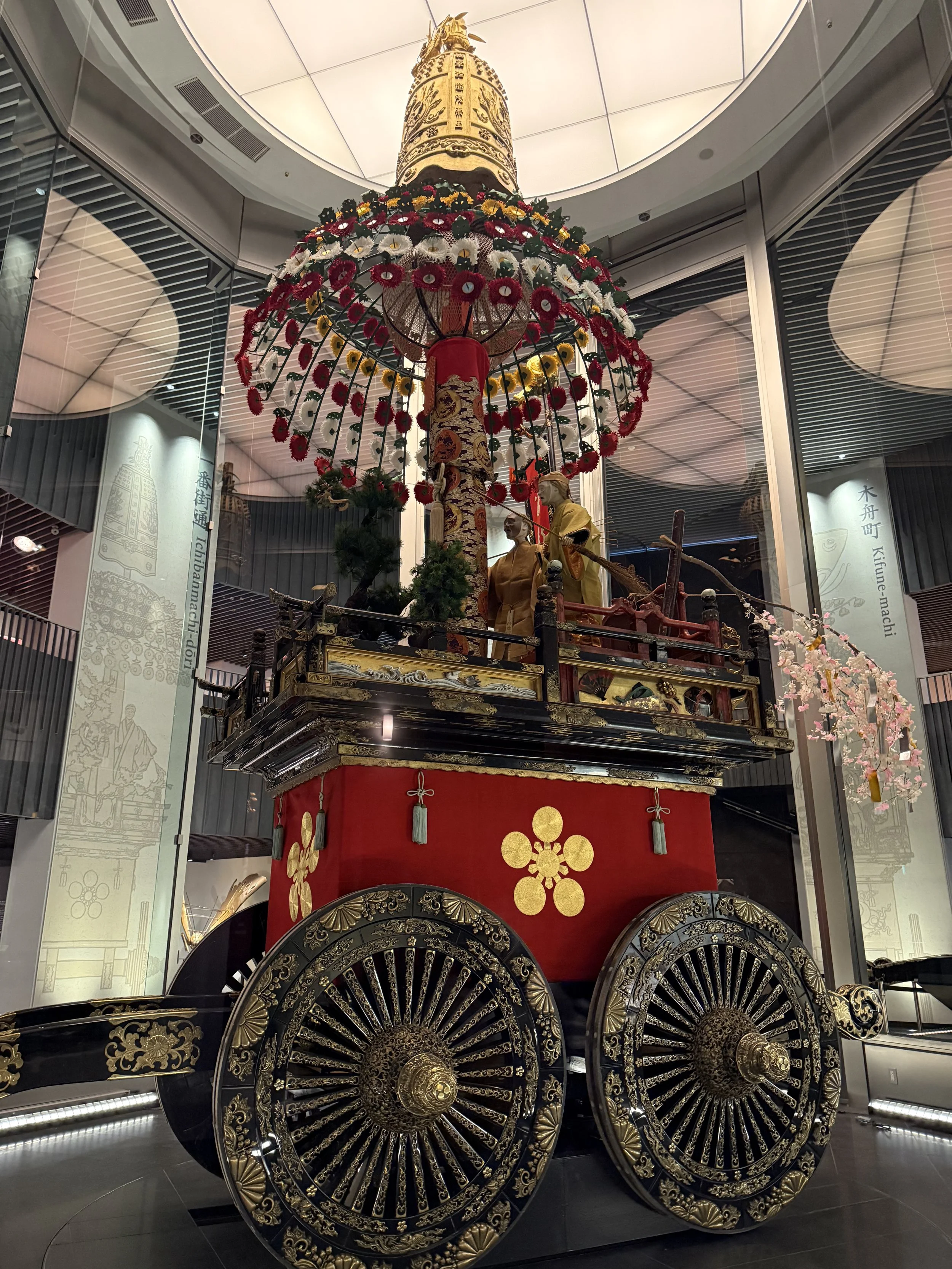
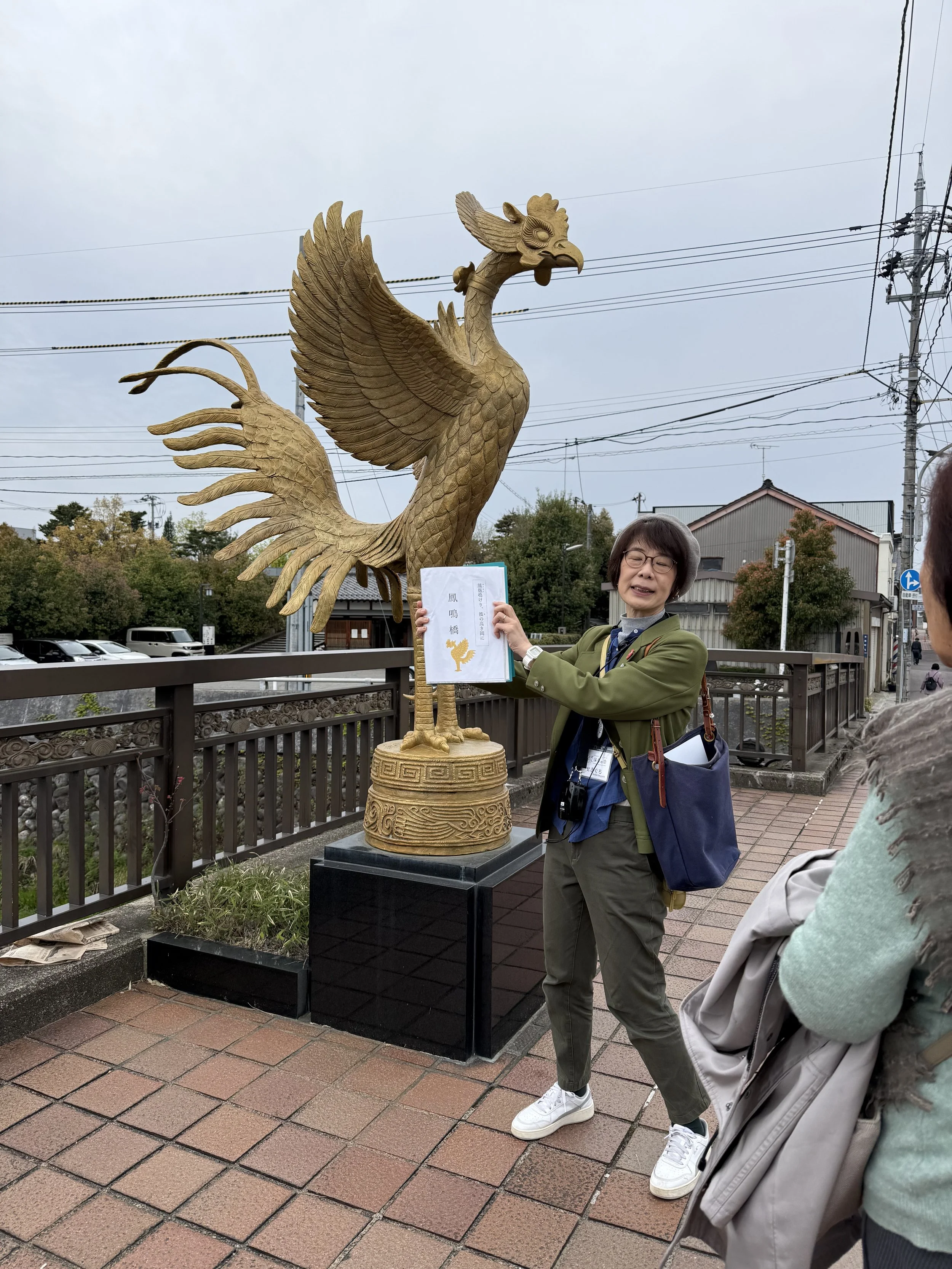
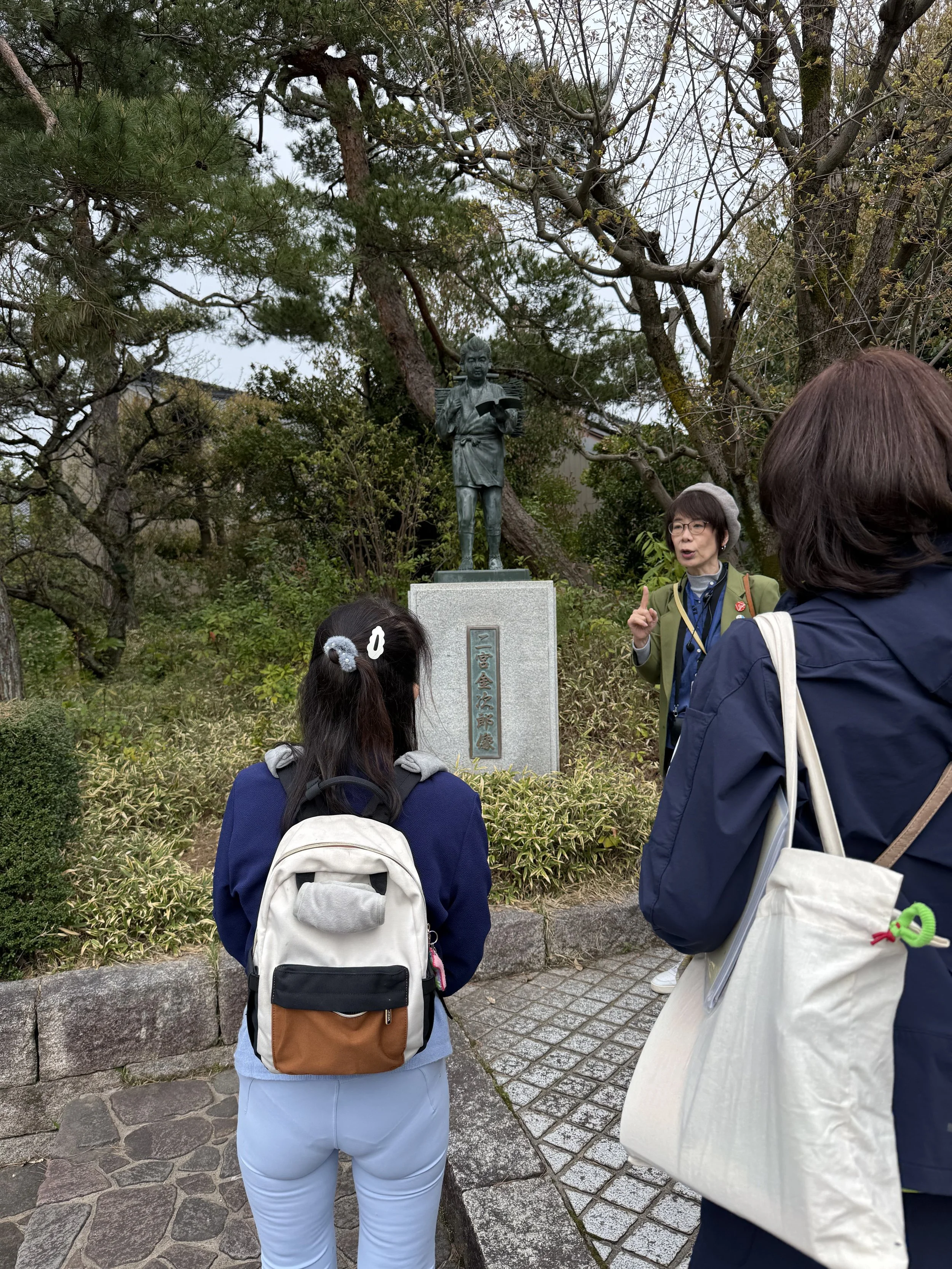
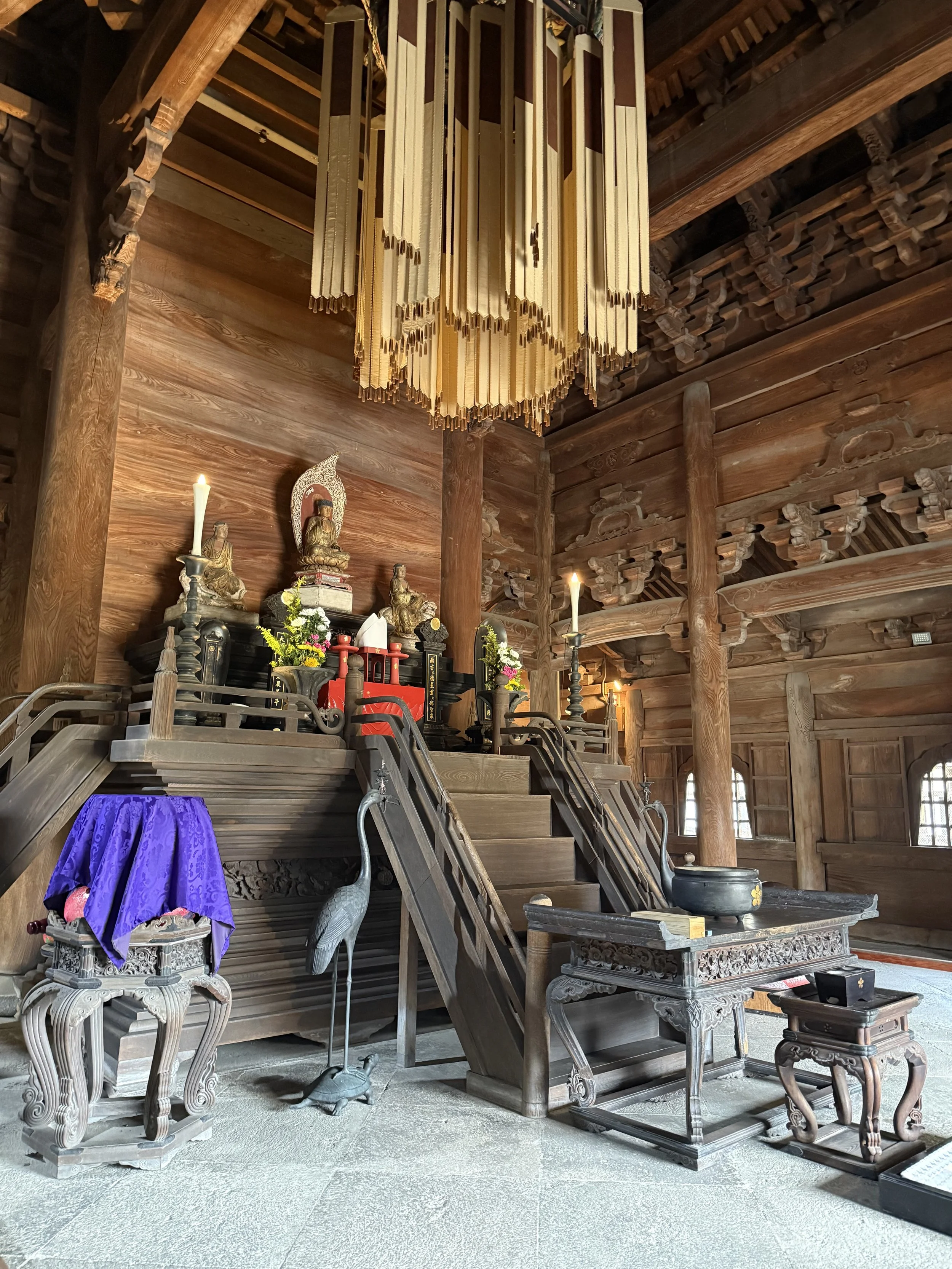
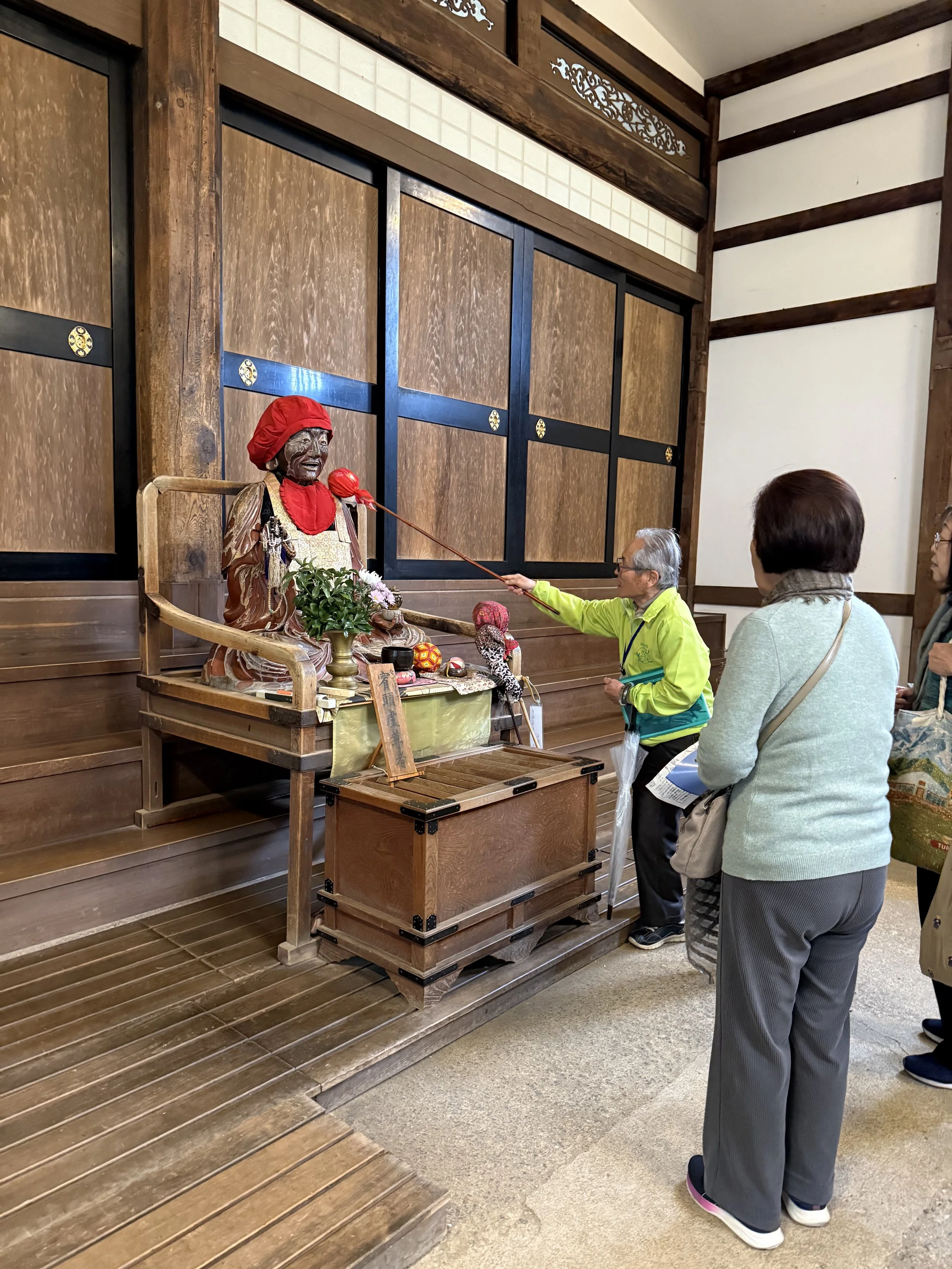
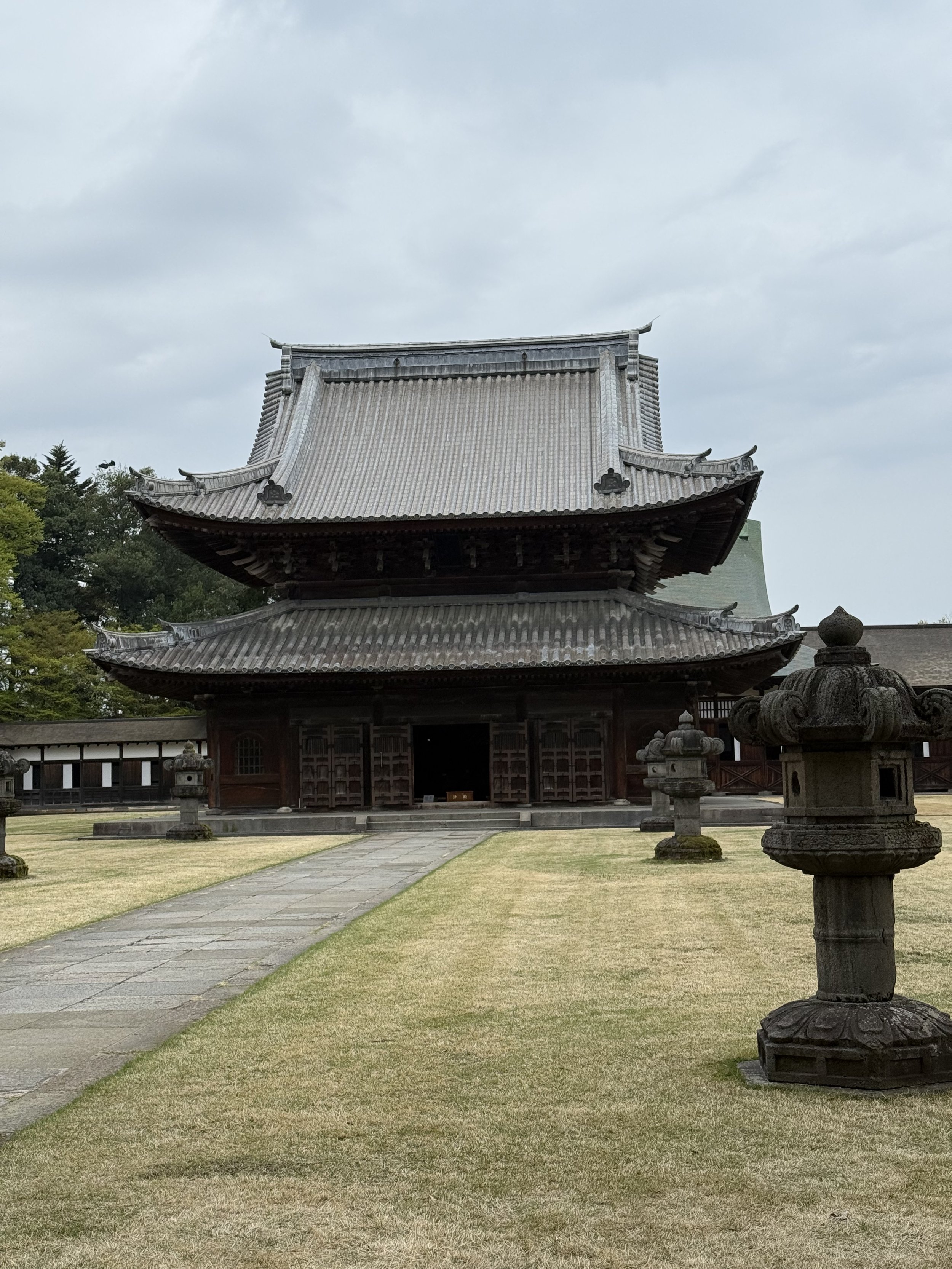
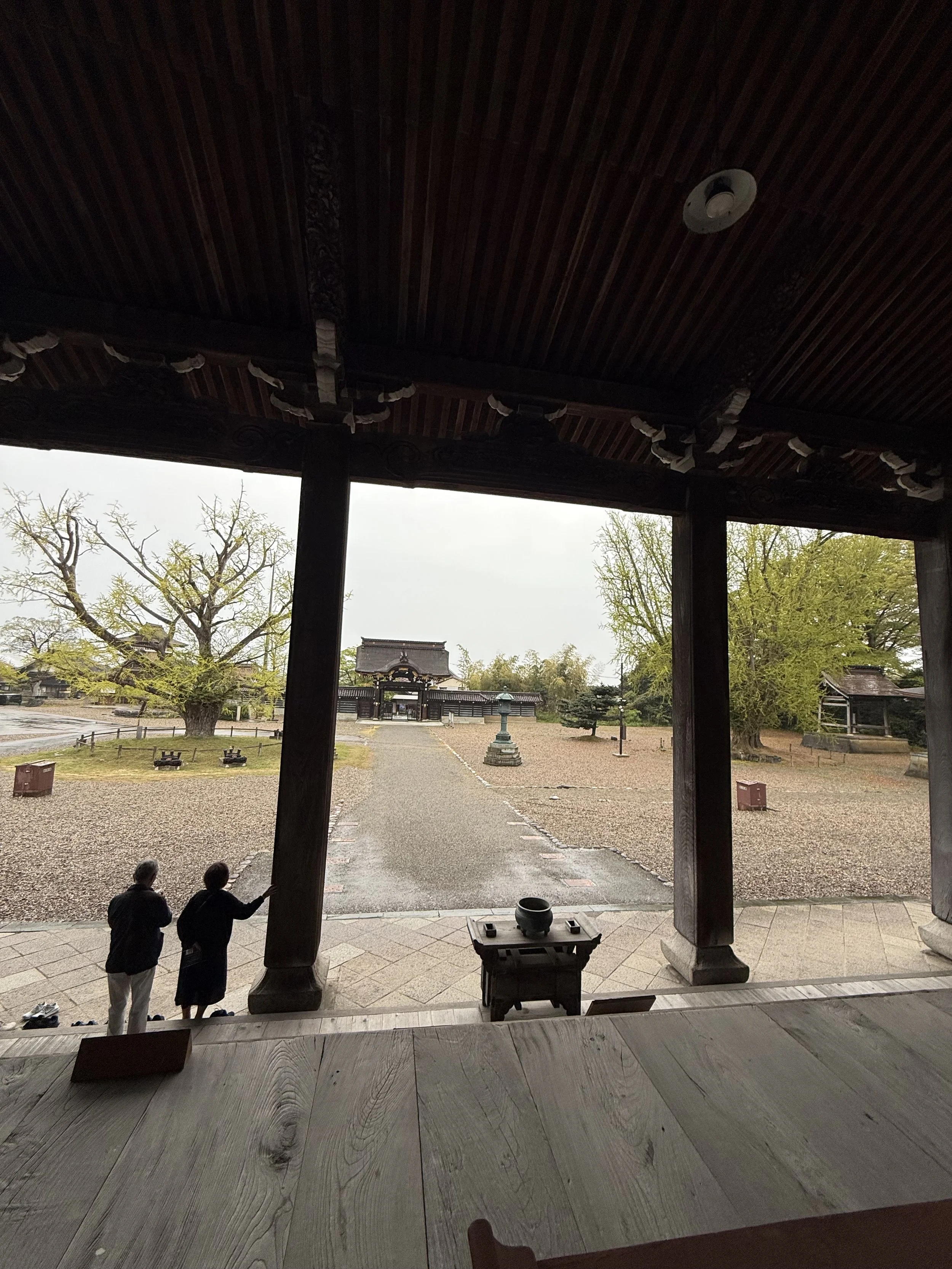
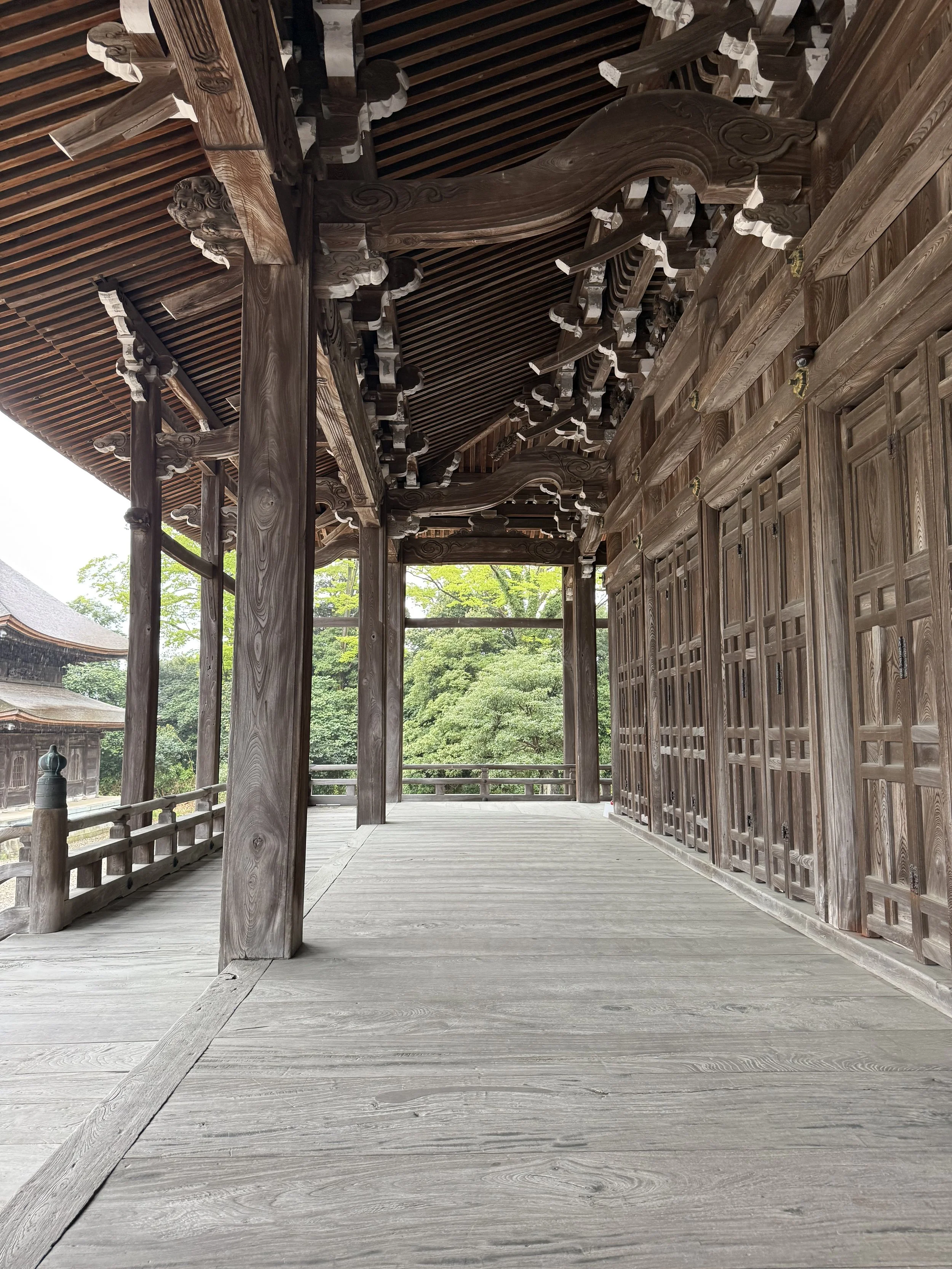
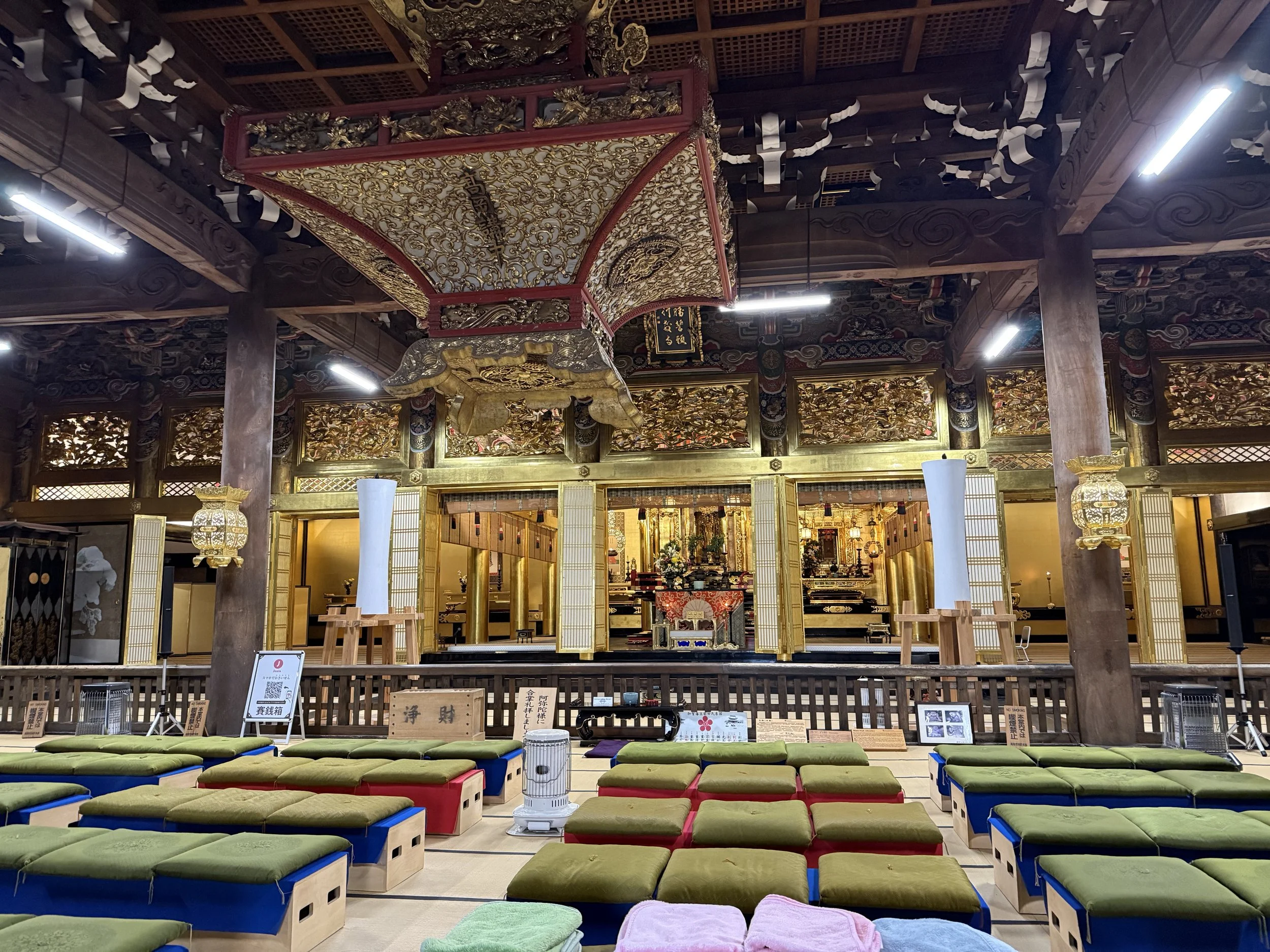
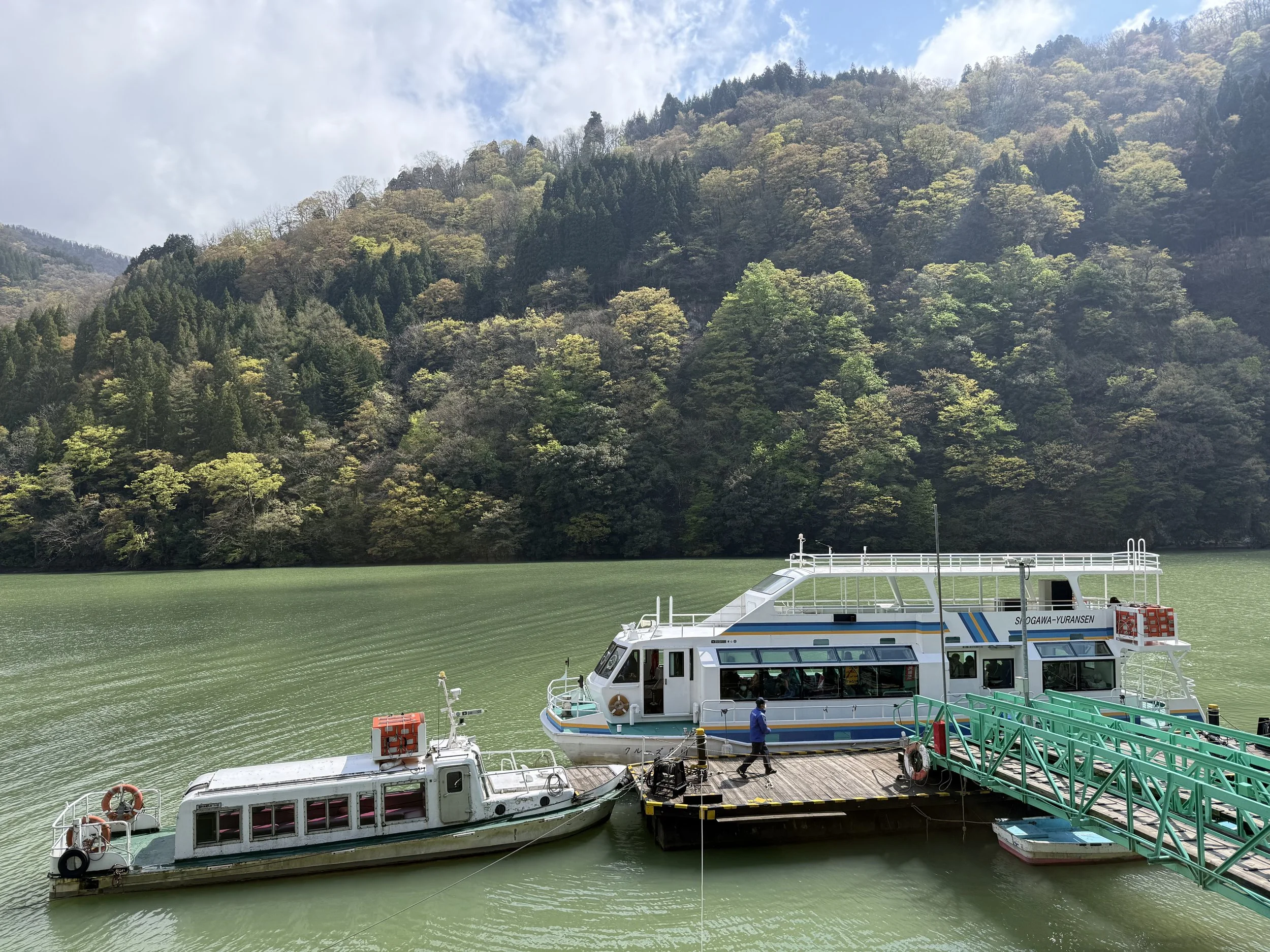
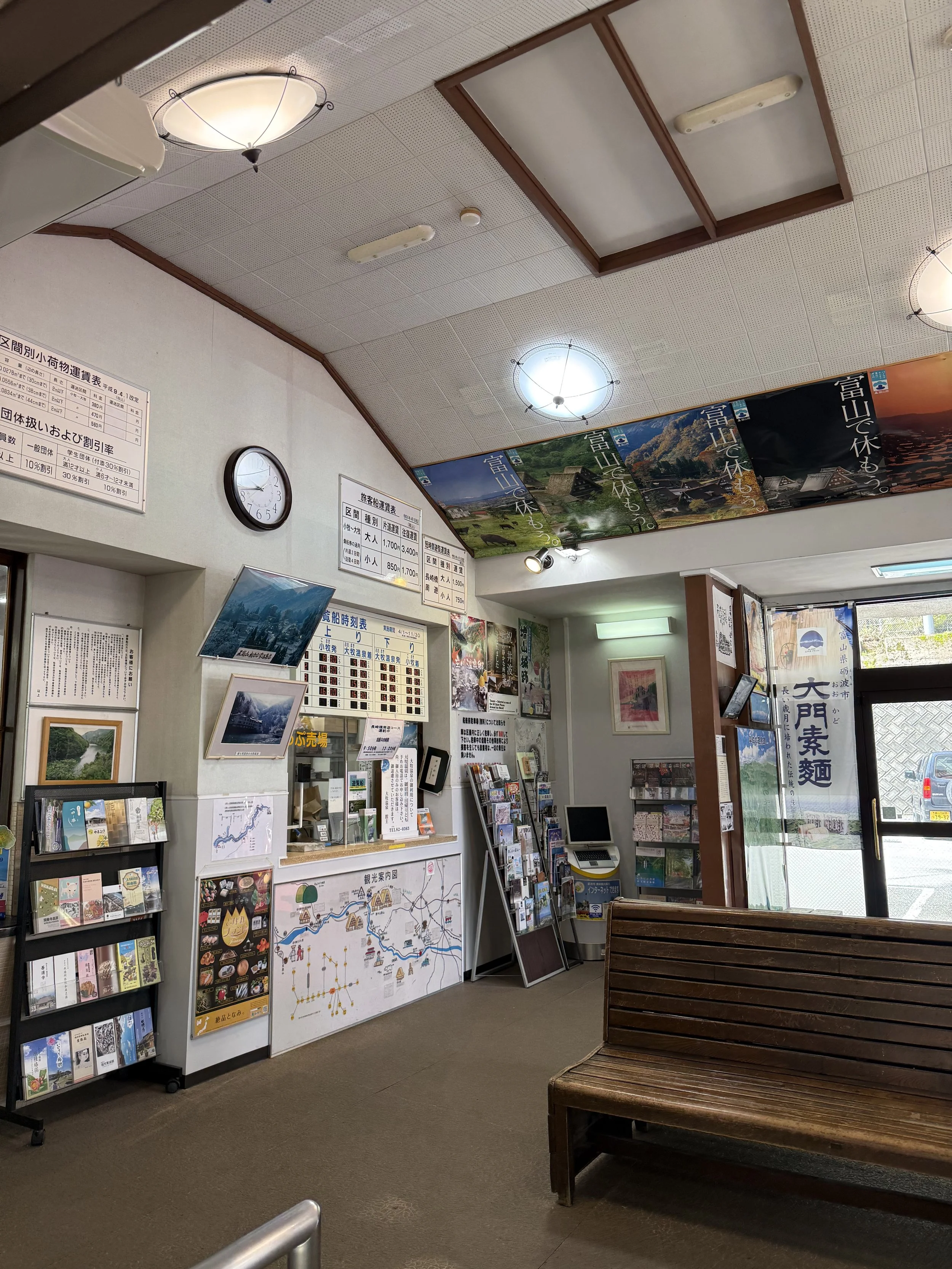
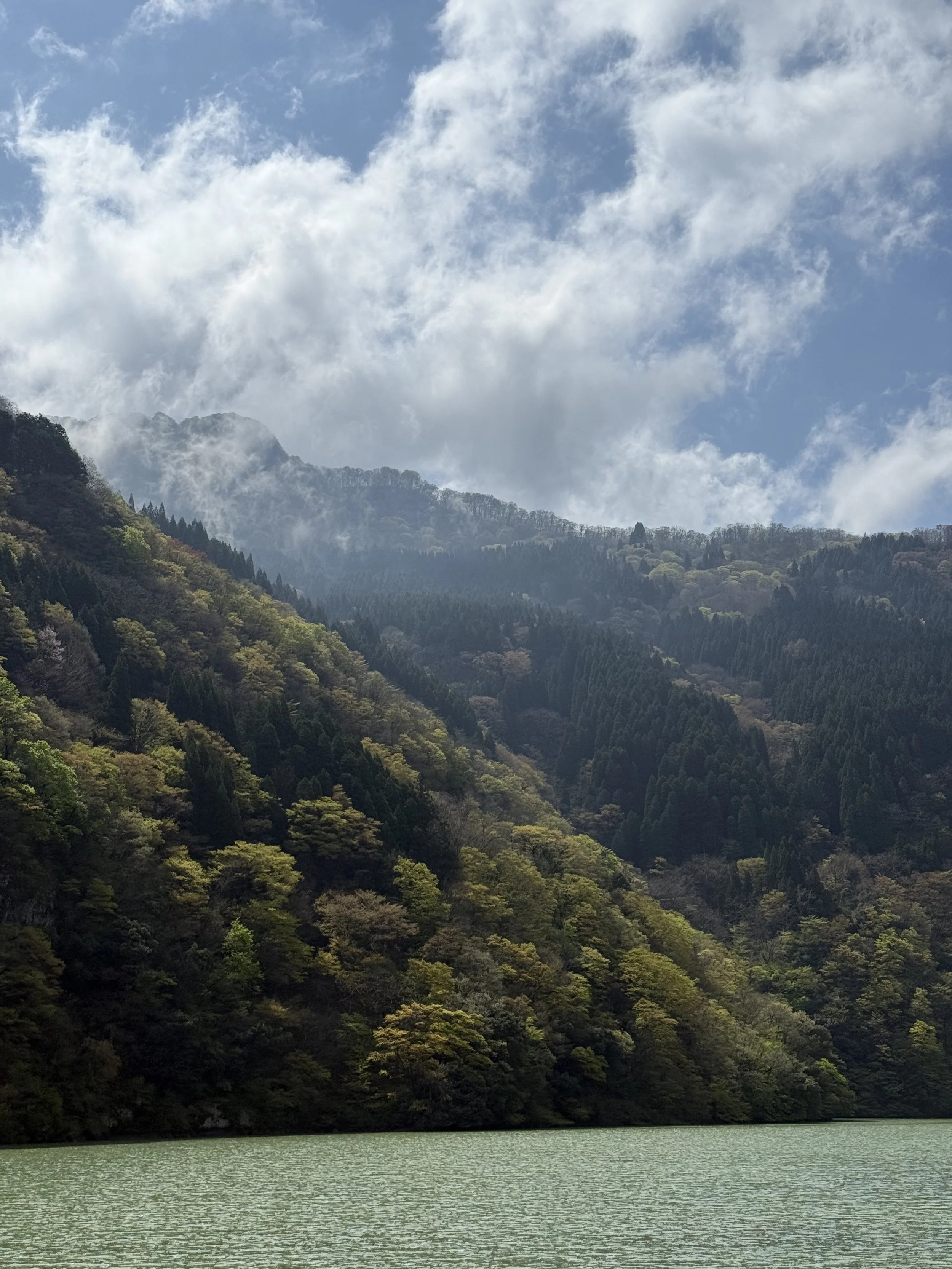
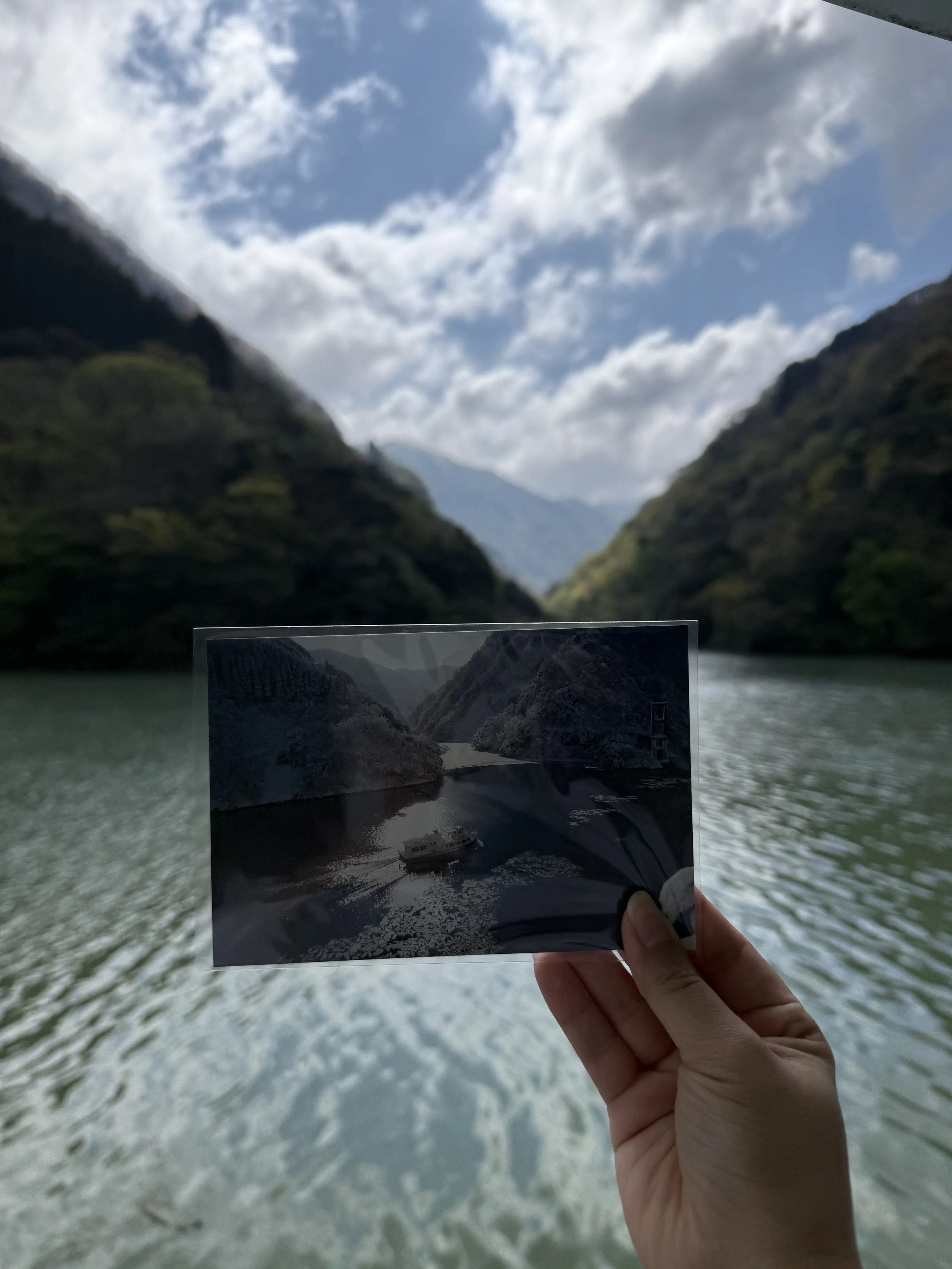
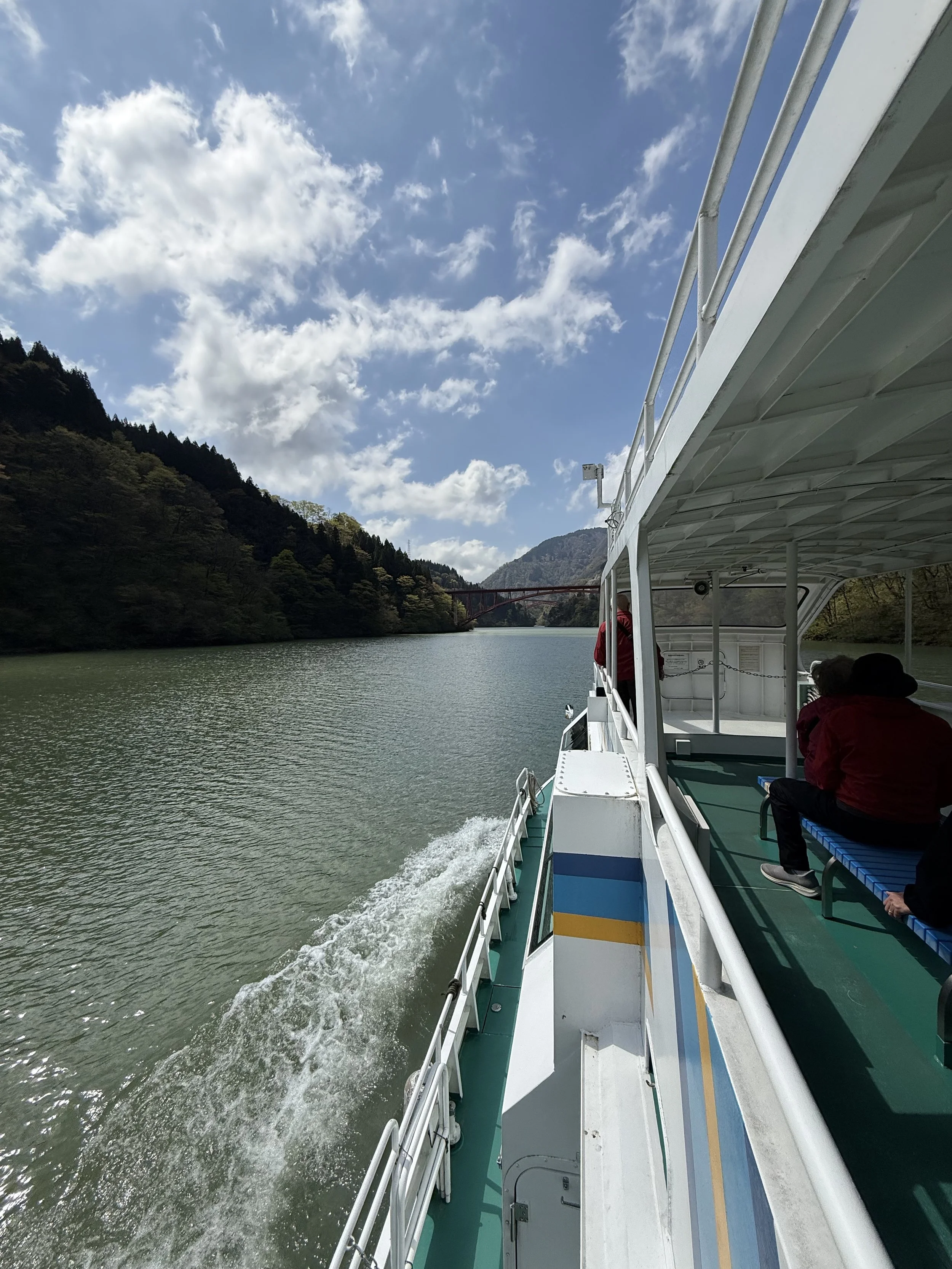
We also visited several National Treasure temples and preserved historic districts with our local guides, learning about the history of Takaoka City. A scenic pleasure boat ride through the Shogawa Gorge was another memorable highlight—peaceful, calm, and incredibly beautiful.
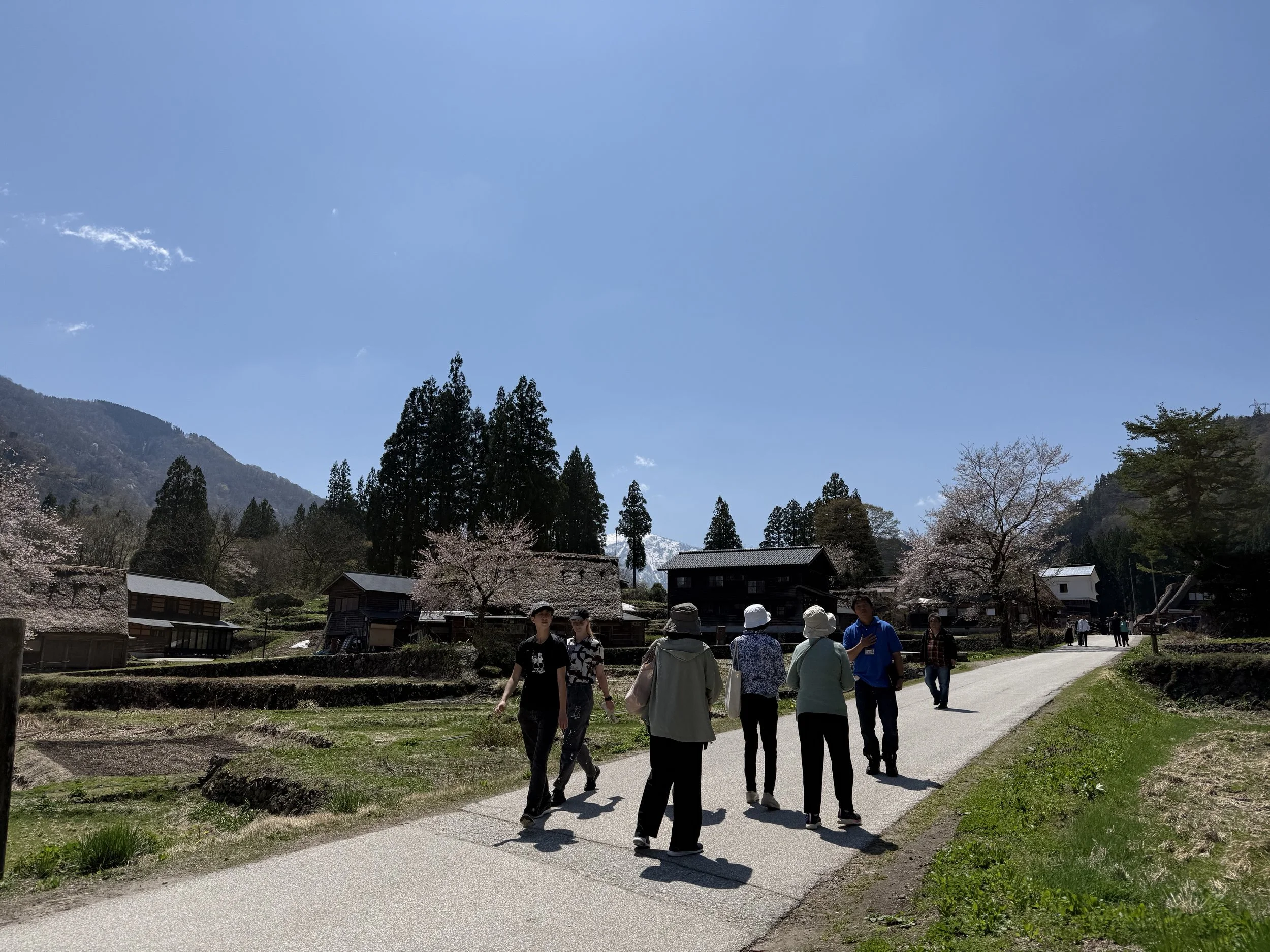
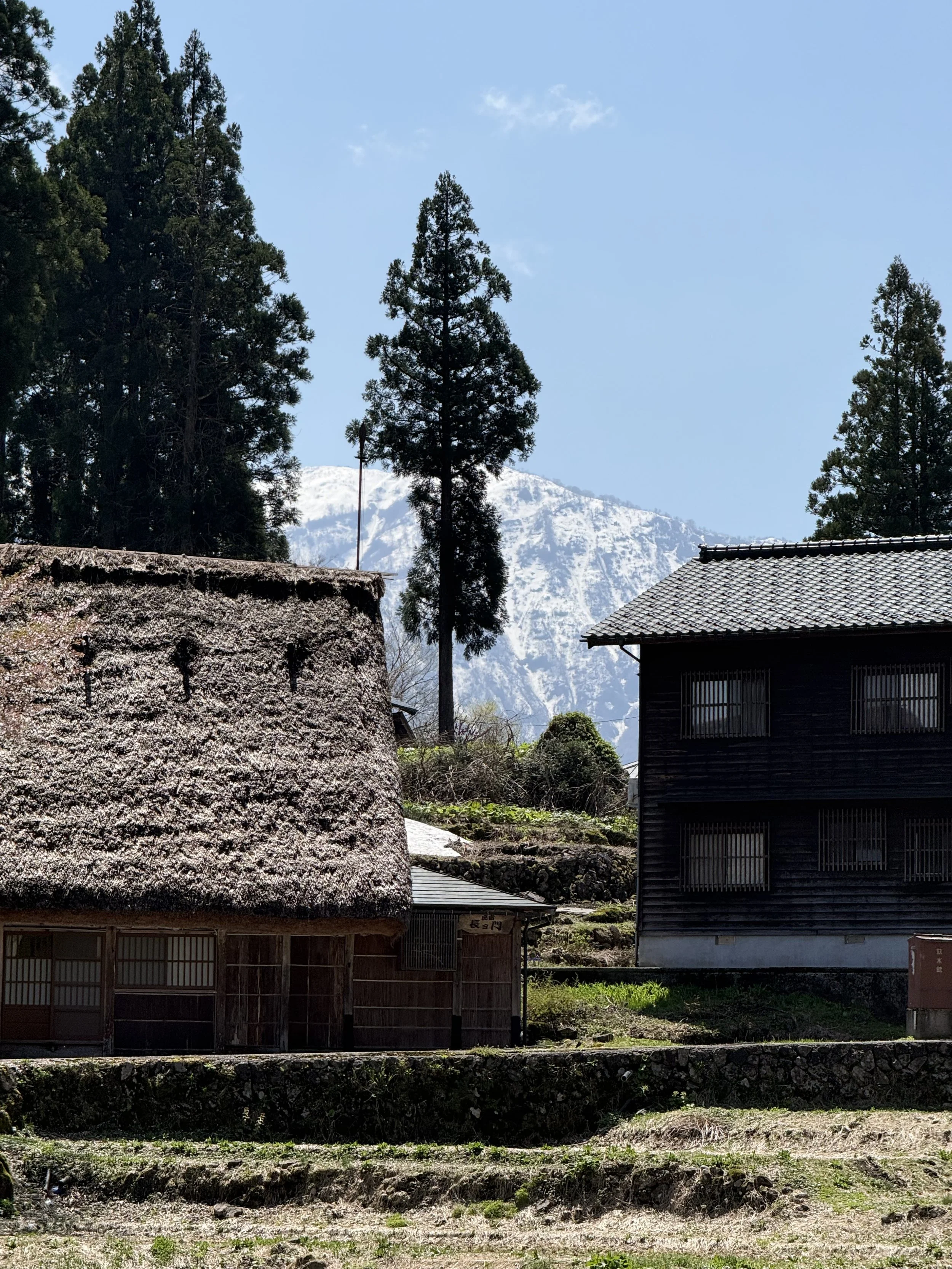
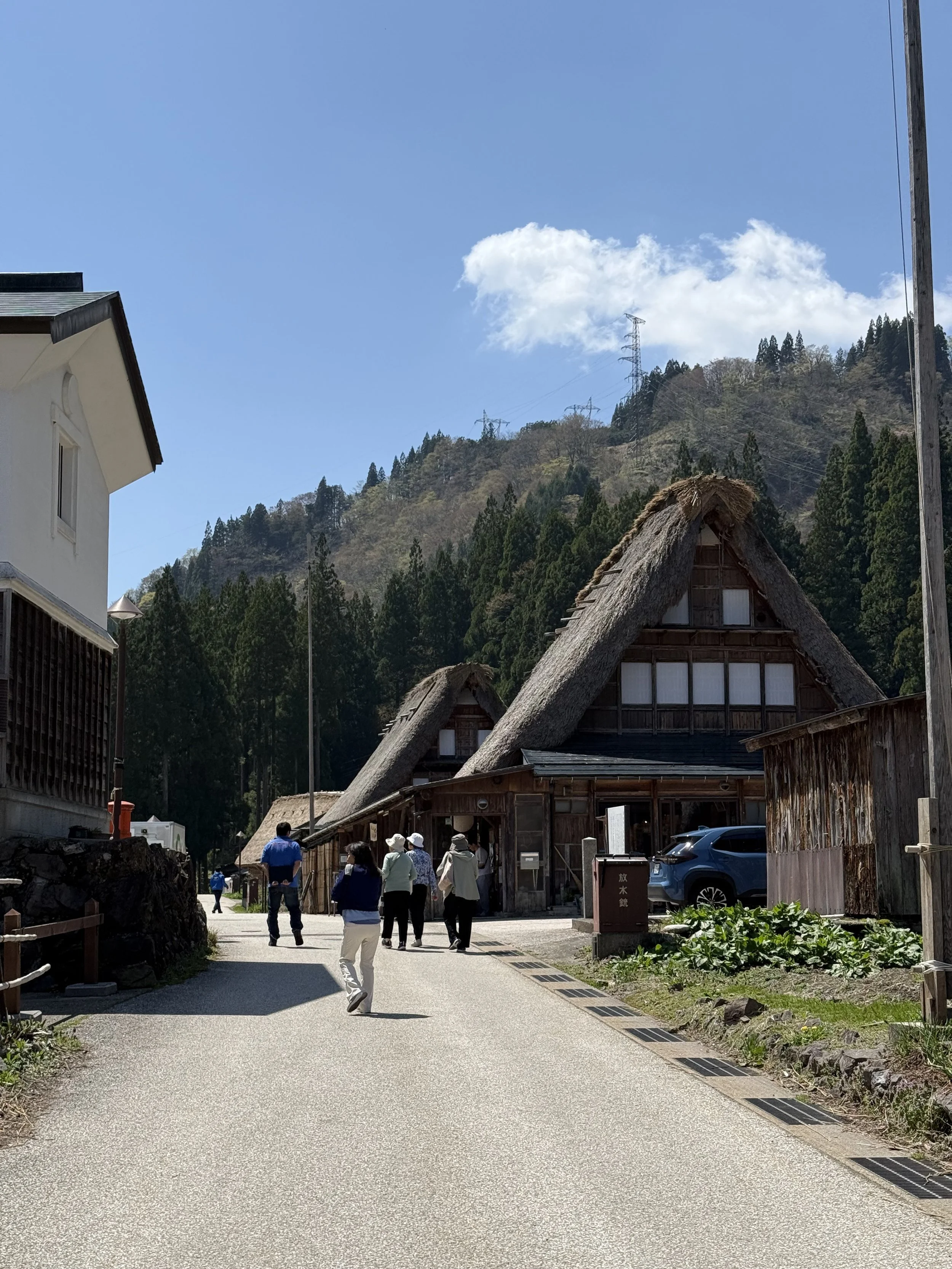
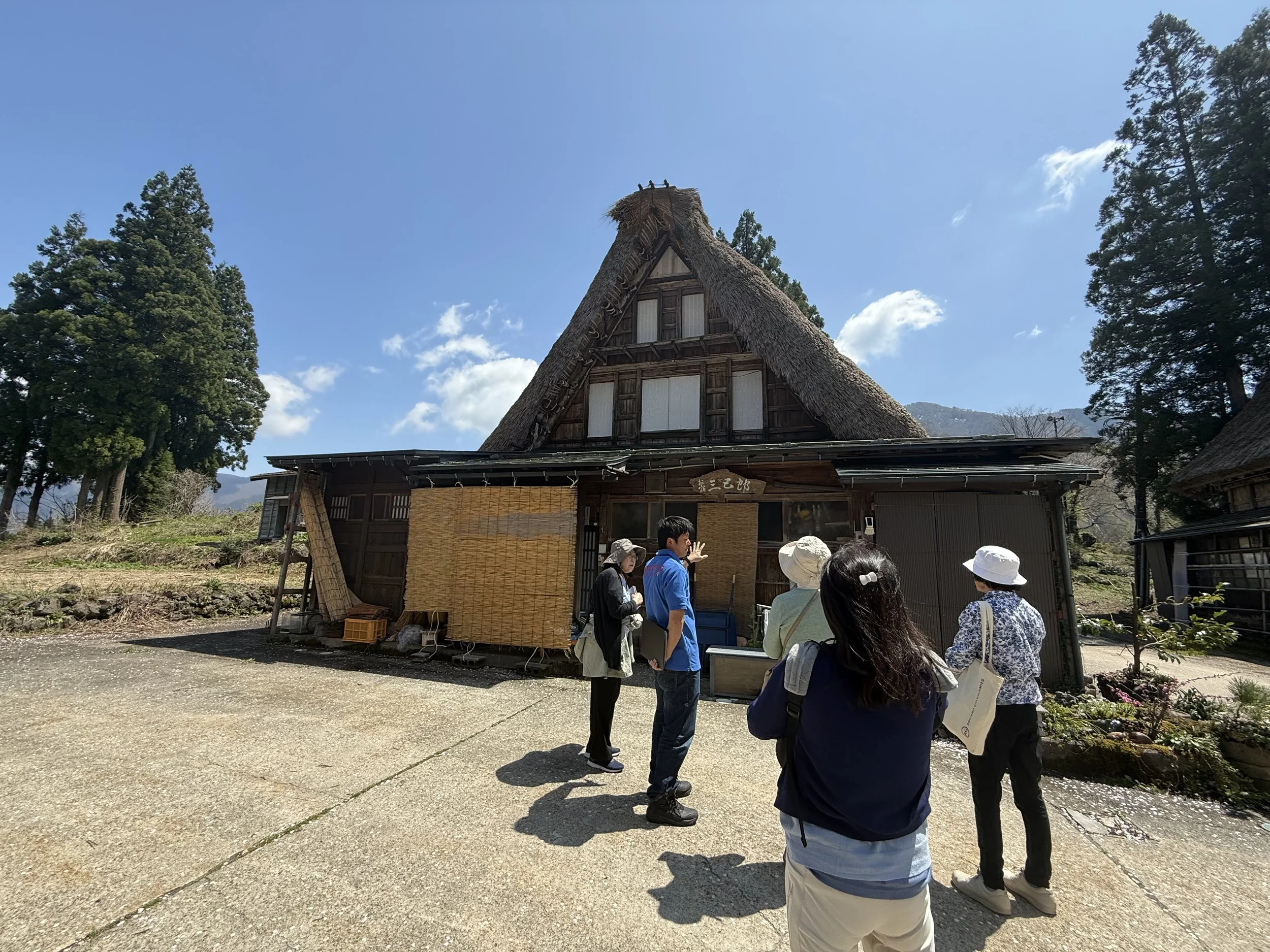
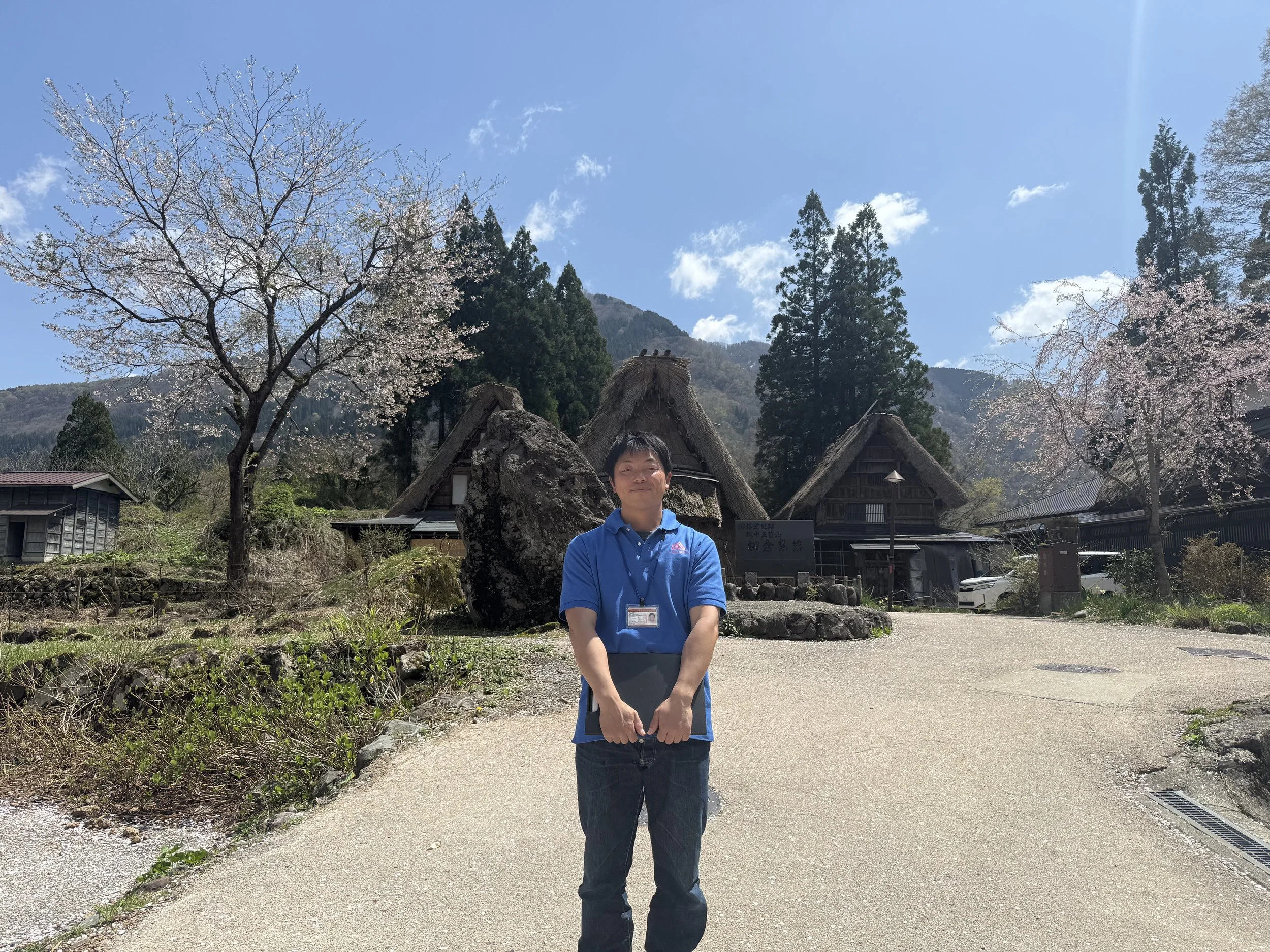
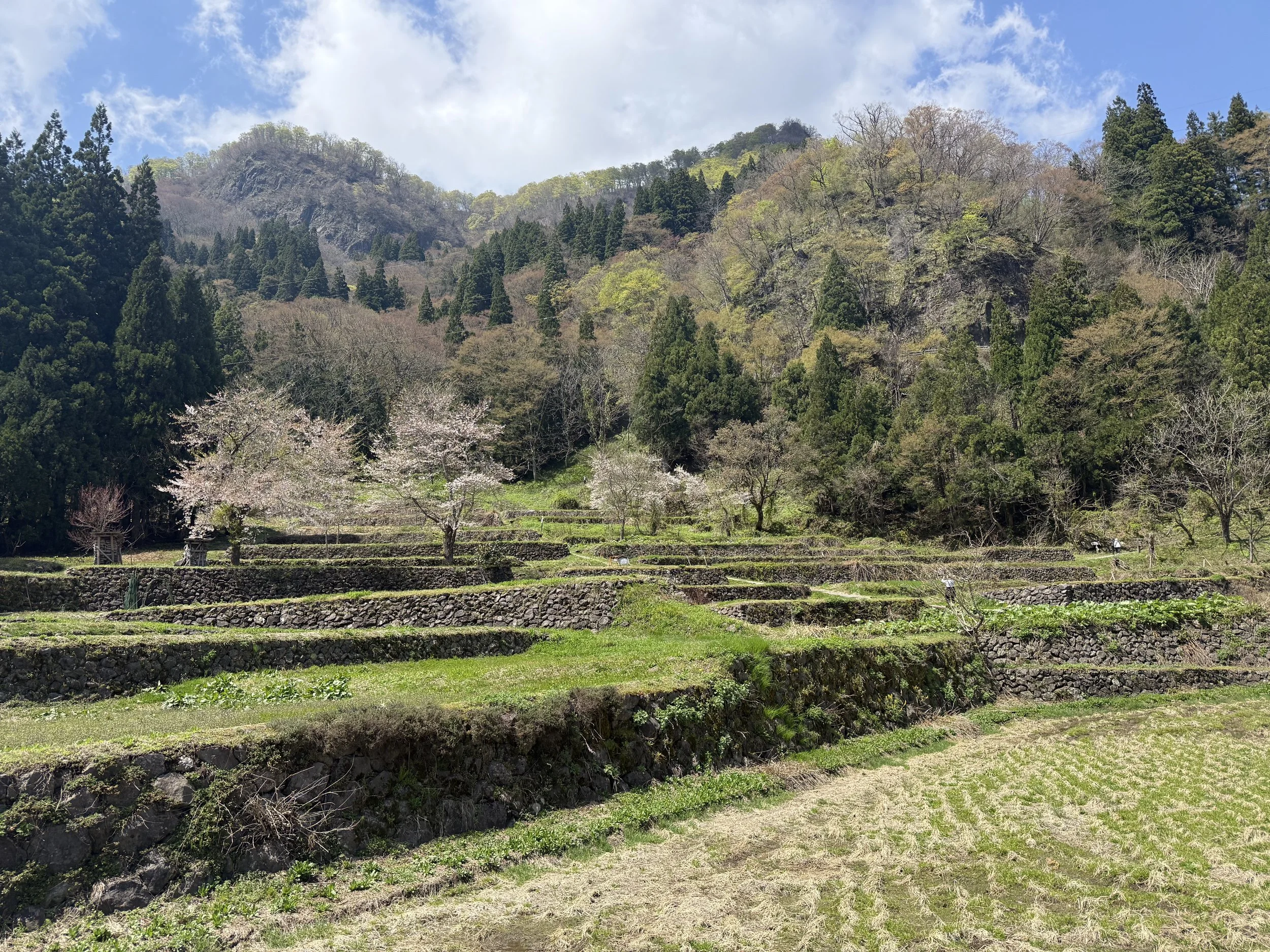
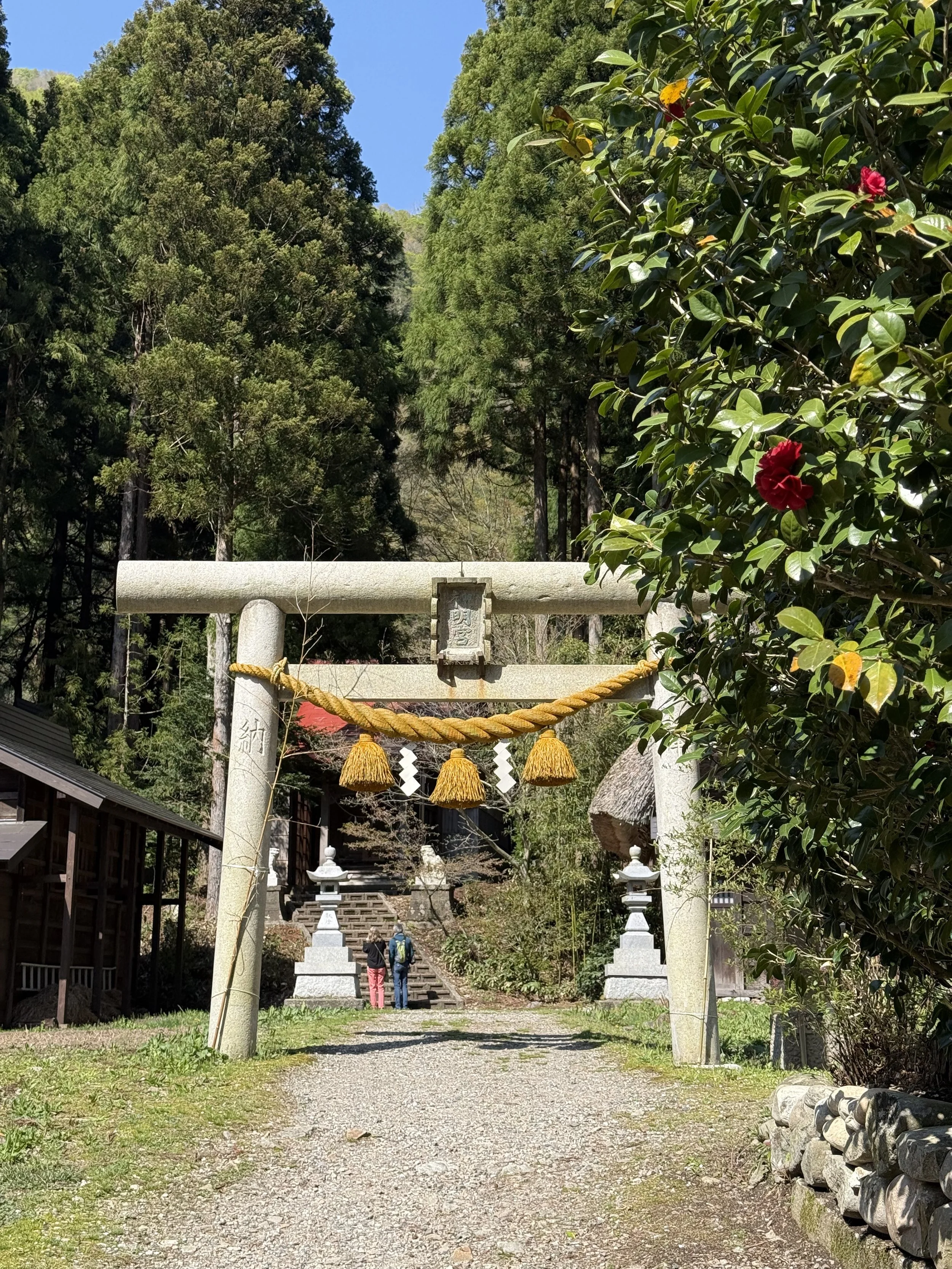
After exploring Toyama for three days, we continued to the UNESCO World Heritage area of Gokayama. The gassho-zukuri farmhouses and mountain scenery were breathtaking. We were joined by a local guide who lives in Ainokura Village, and hearing the stories and history directly from a resident was far more meaningful than simply walking around on our own.
Many visitors only stop at Ainokura, but we also visited Suganuma Village. With fewer crowds and a quieter atmosphere, many of our guests said they preferred Suganuma even more.
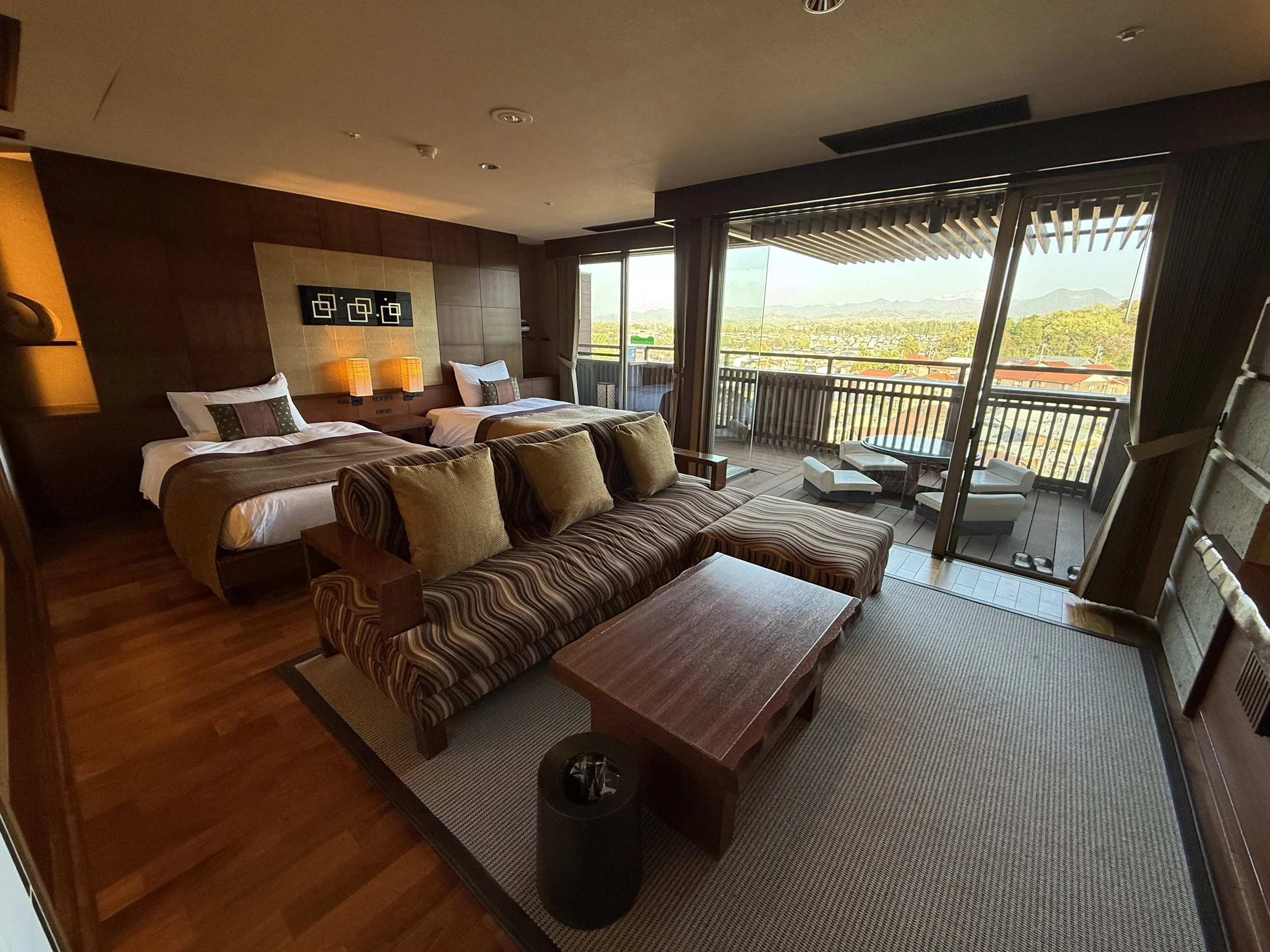
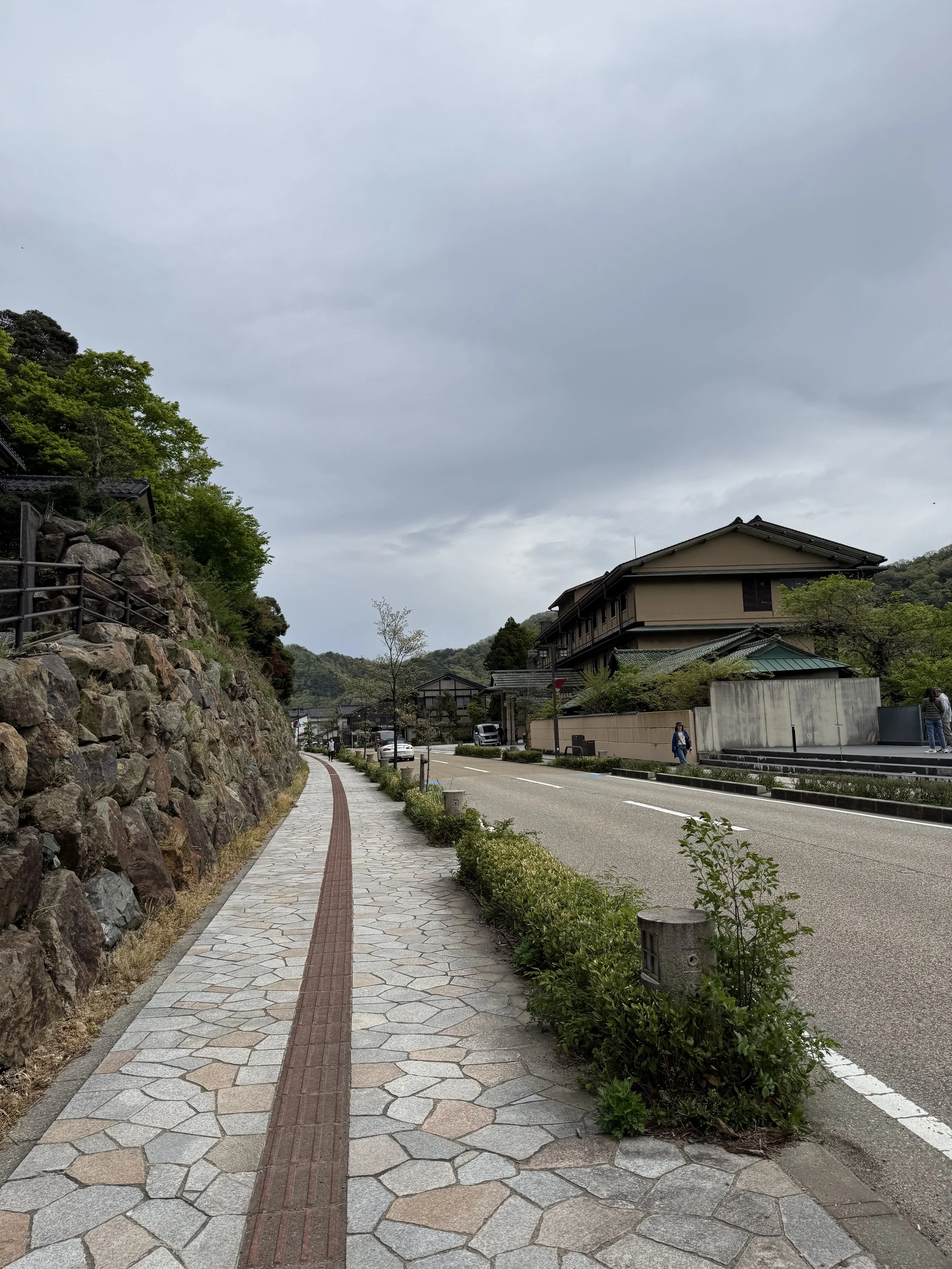
Afterward, we moved on to Kanazawa and stayed at Yunokuni Tensho in Yamashiro Onsen. Our rooms were spacious and elegant, with beautiful mountain views.
We also celebrated one of our guest’s 94th birthday during our stay.
Because the hotel itself was so wonderful, we made sure to return early enough to fully enjoy the multiple onsen baths and relax in our rooms.
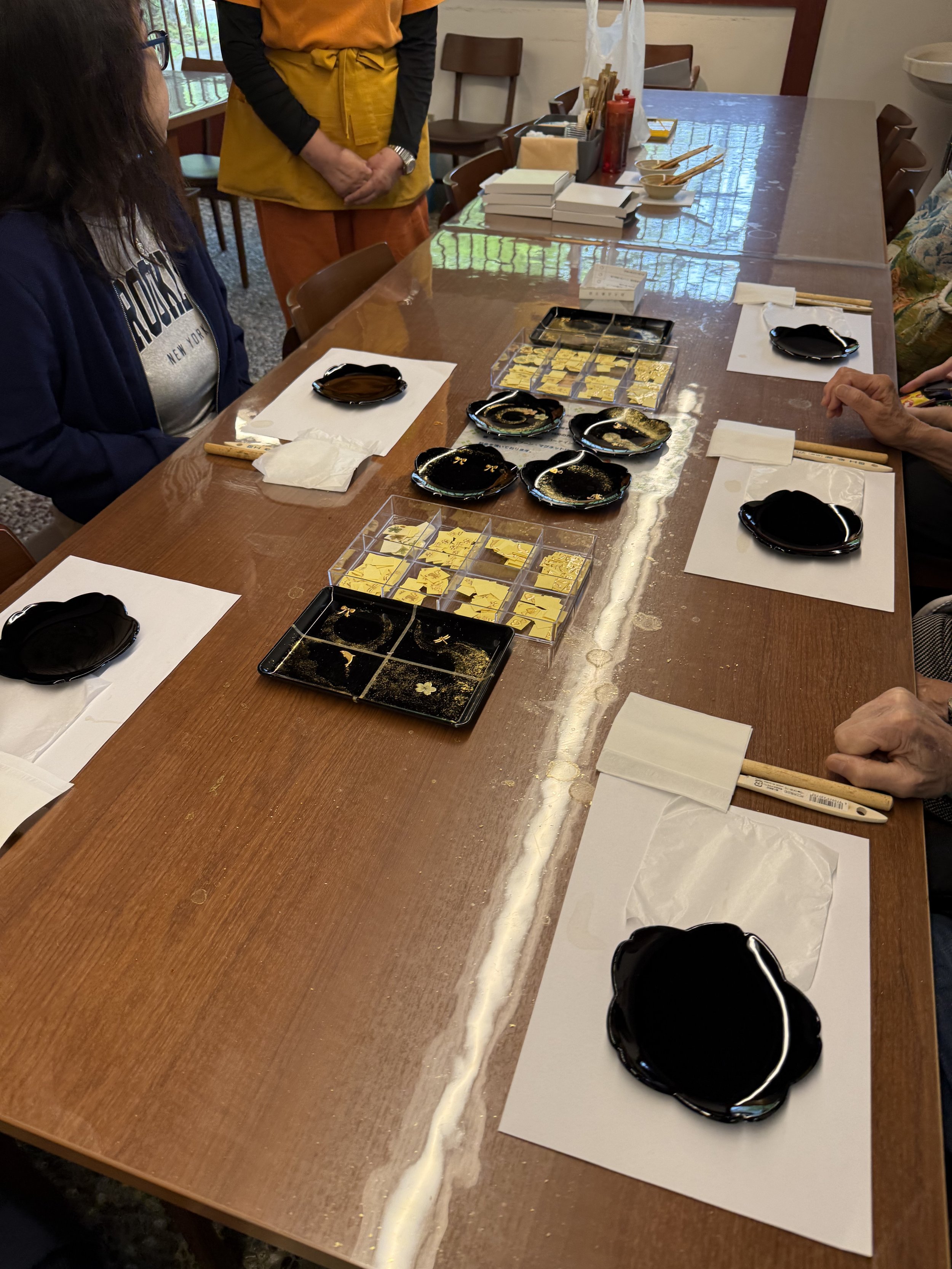
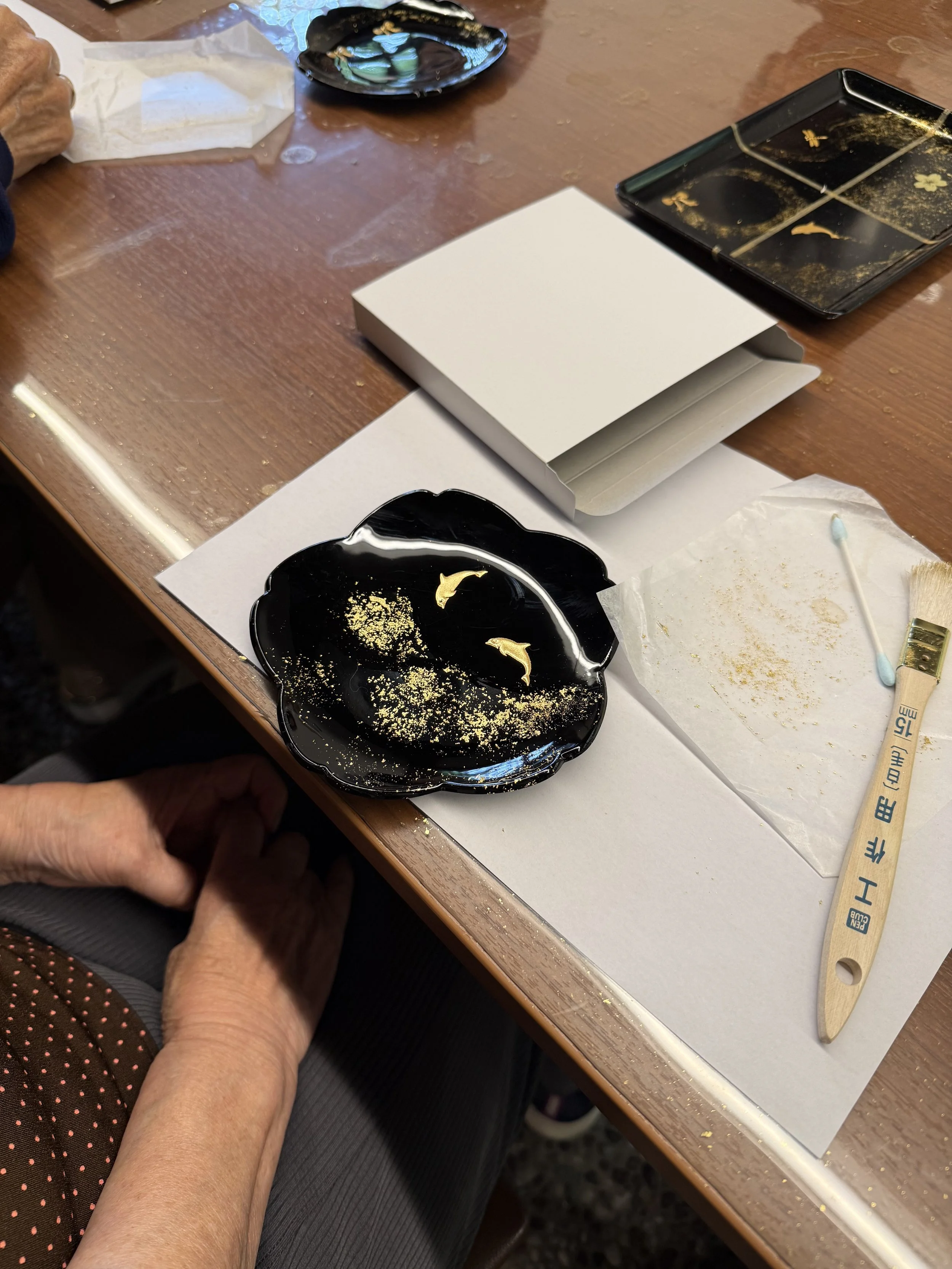
If you visit Kanazawa, making your own gold leaf plate is an experience not to miss.
Our tours usually focus on no more than three prefectures over six nights, combining nature, authentic onsen stays, and experiences unique to each region. By the end of the trip, guests often feel they have fully experienced the very best that area has to offer.
The surprise highlight of this tour—the place every guest loved most—was Natadera Temple, which we visited on the final day.
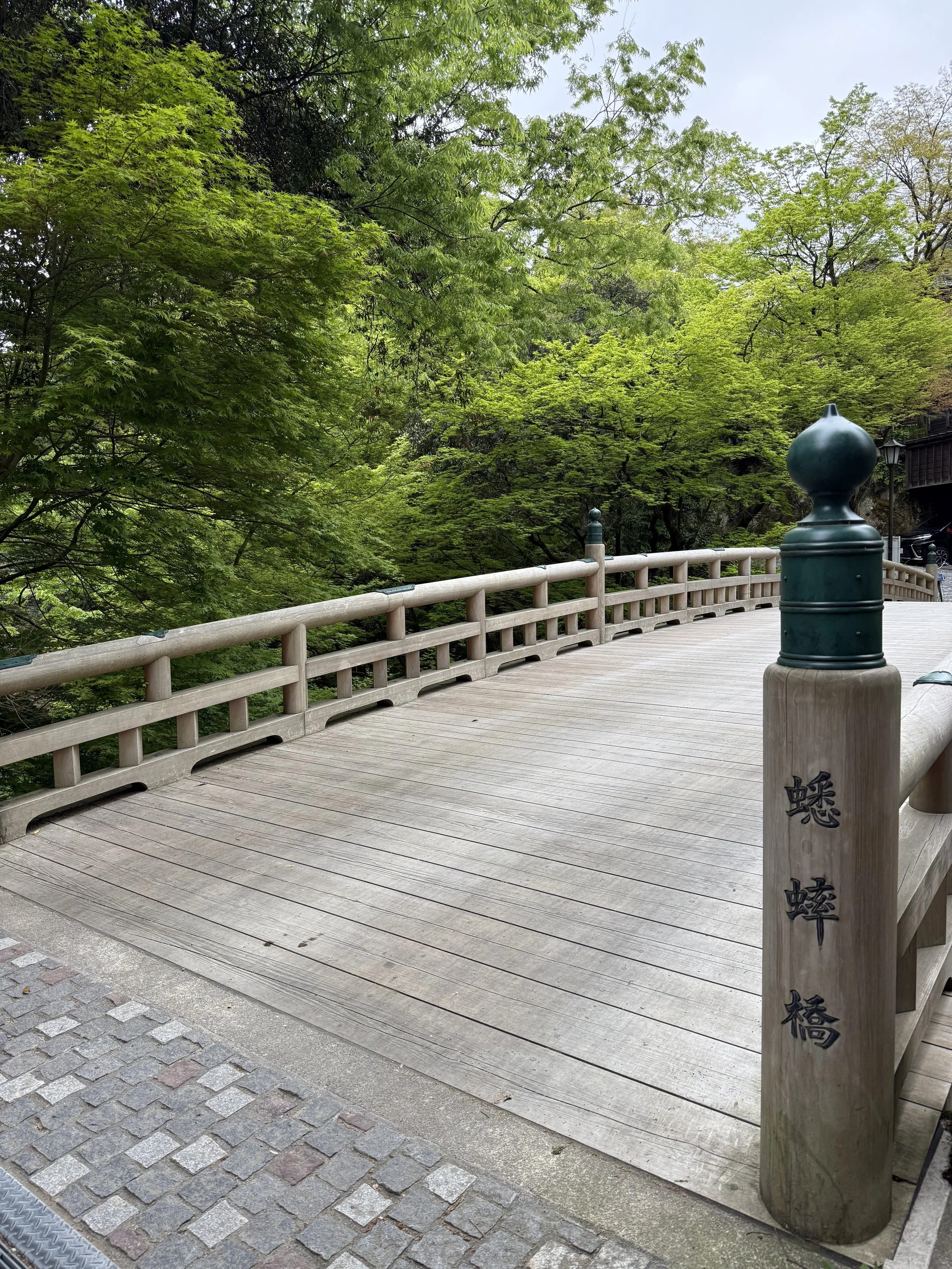
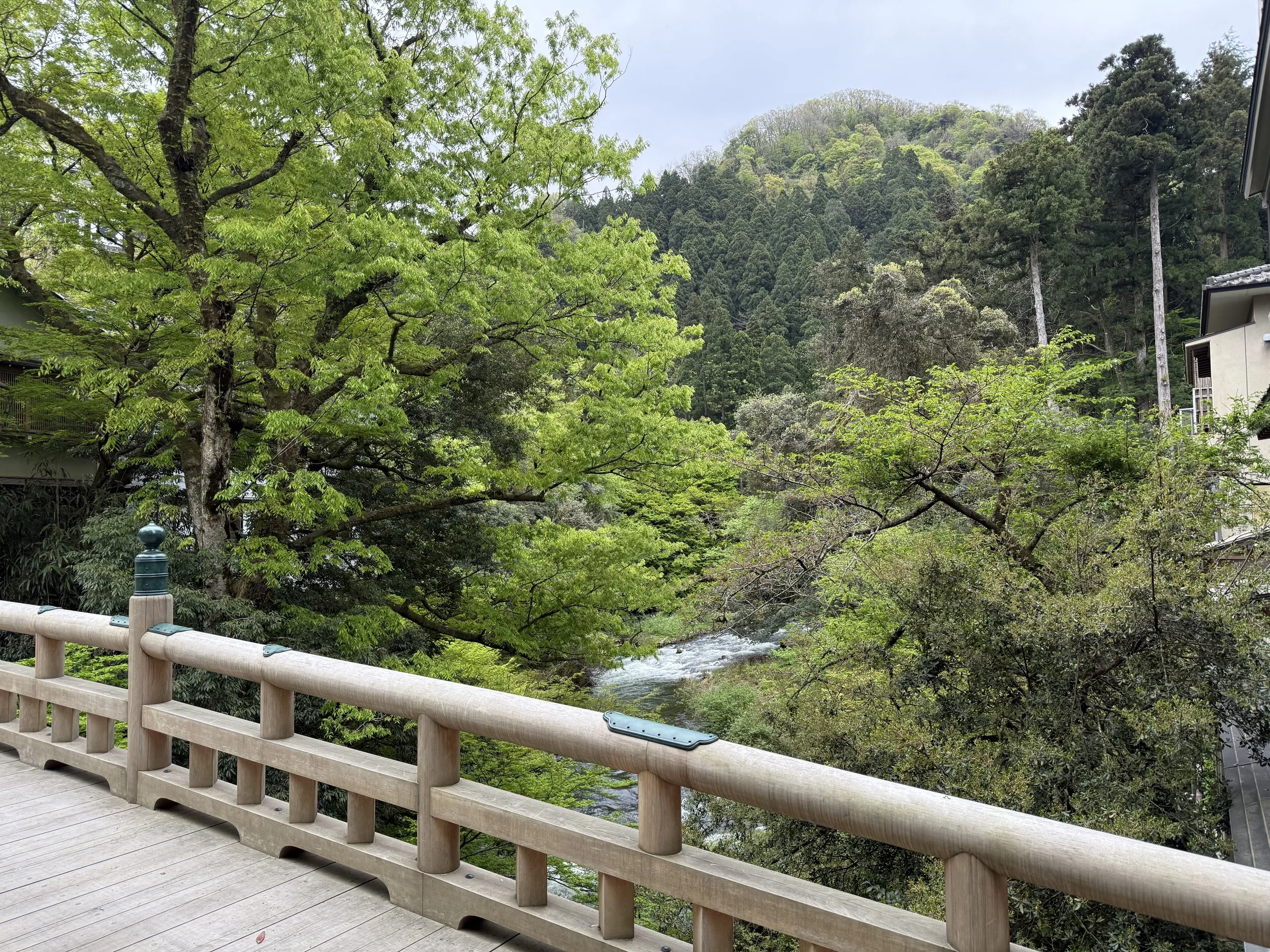
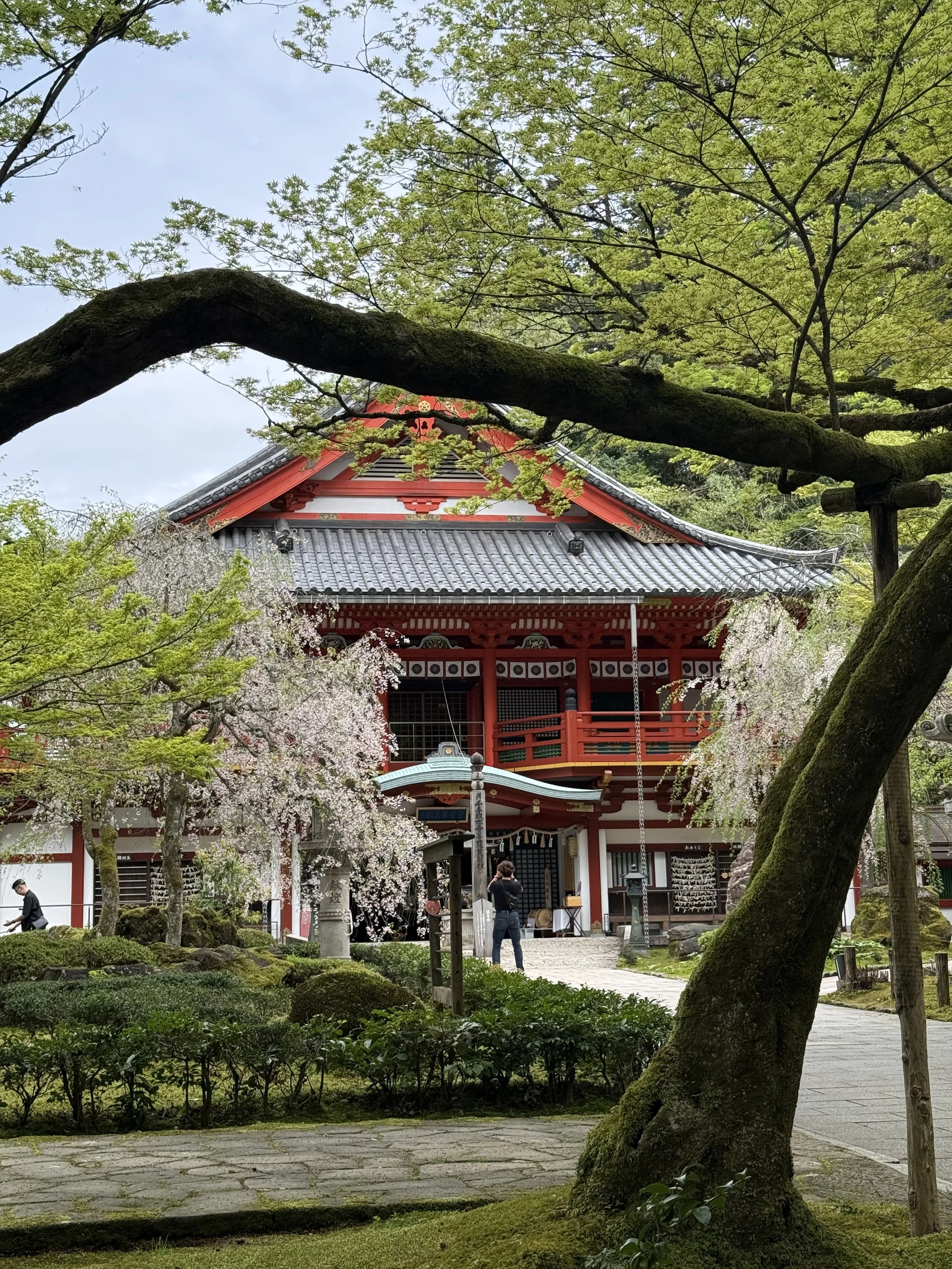
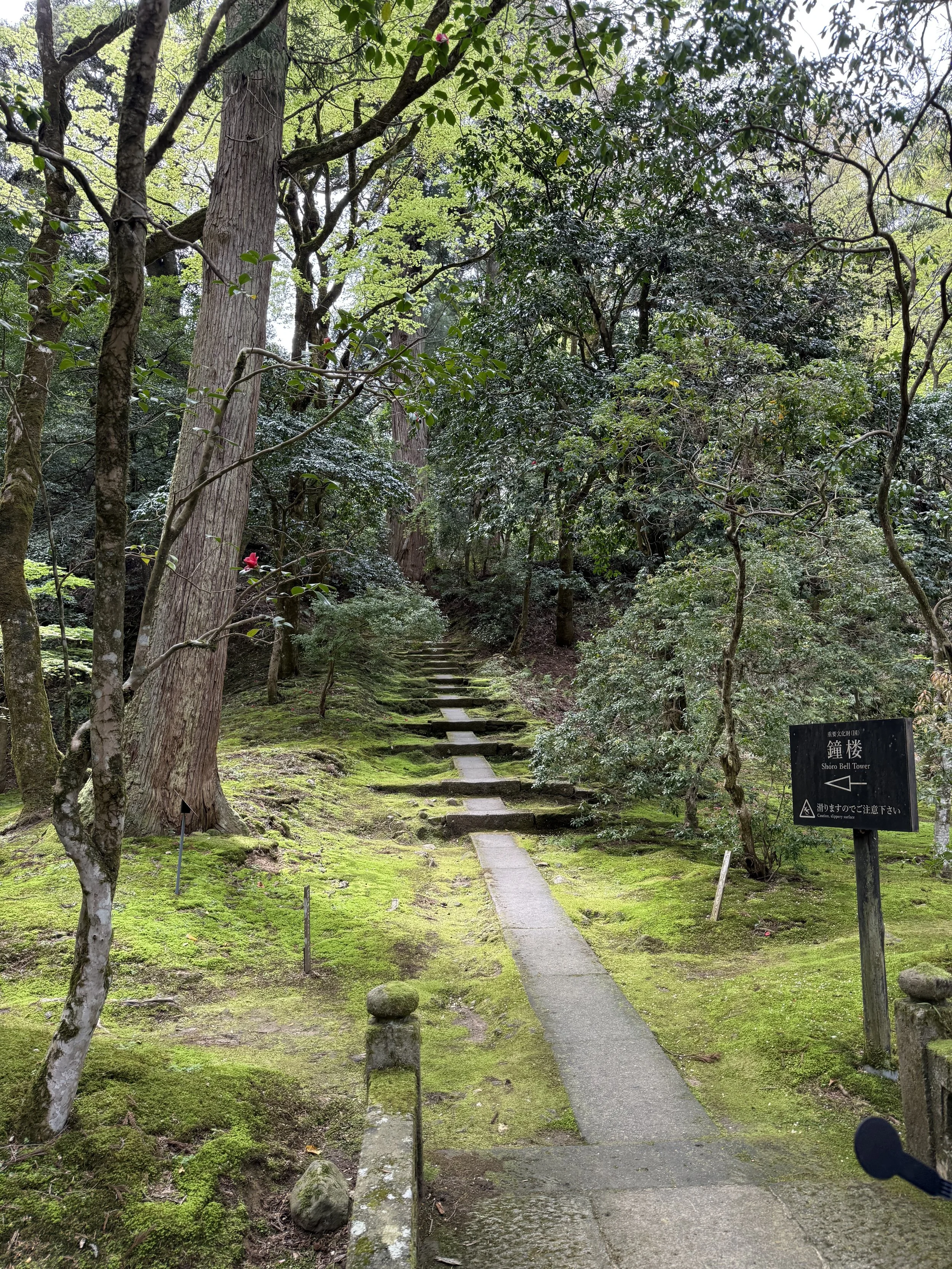
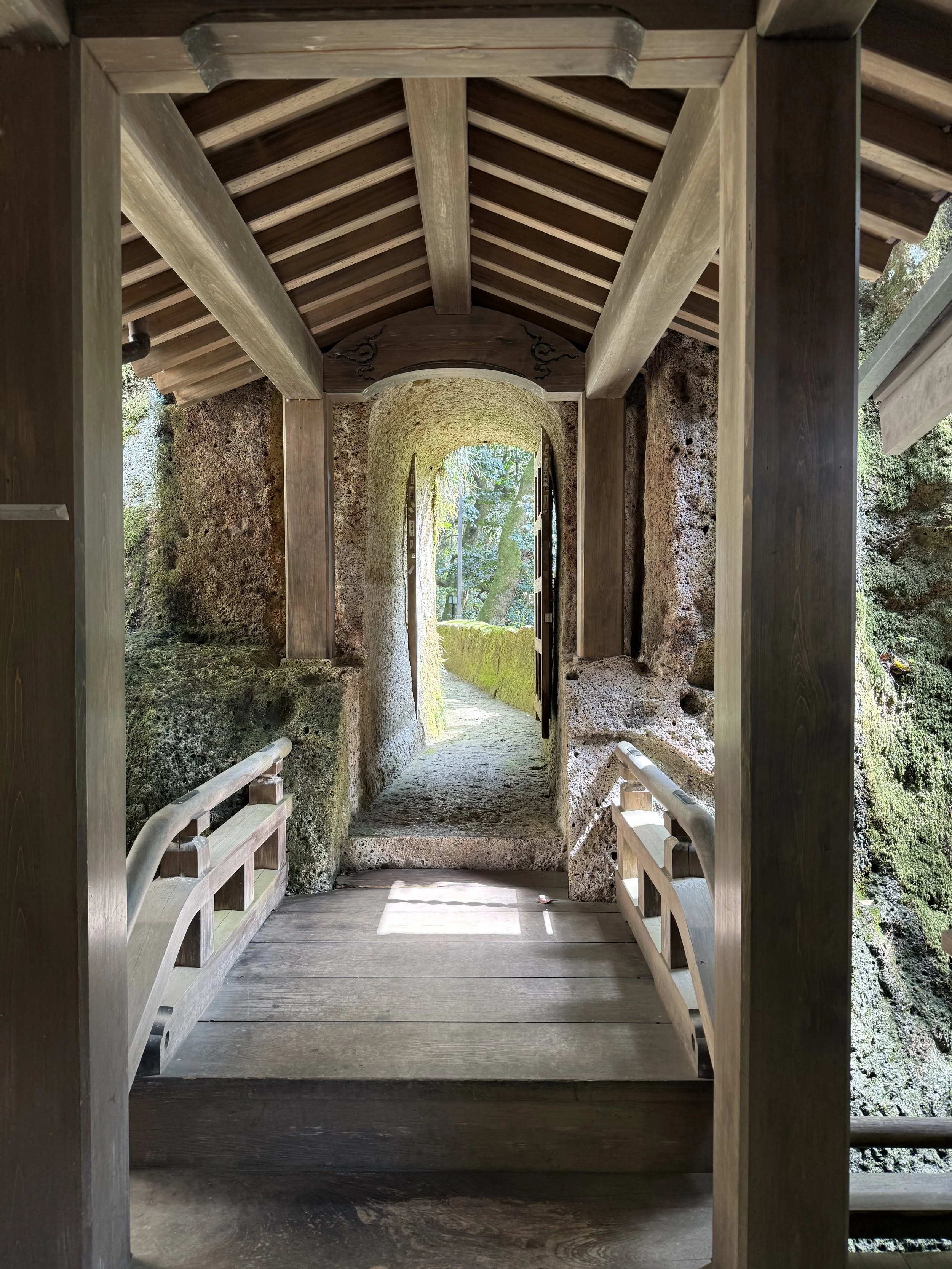
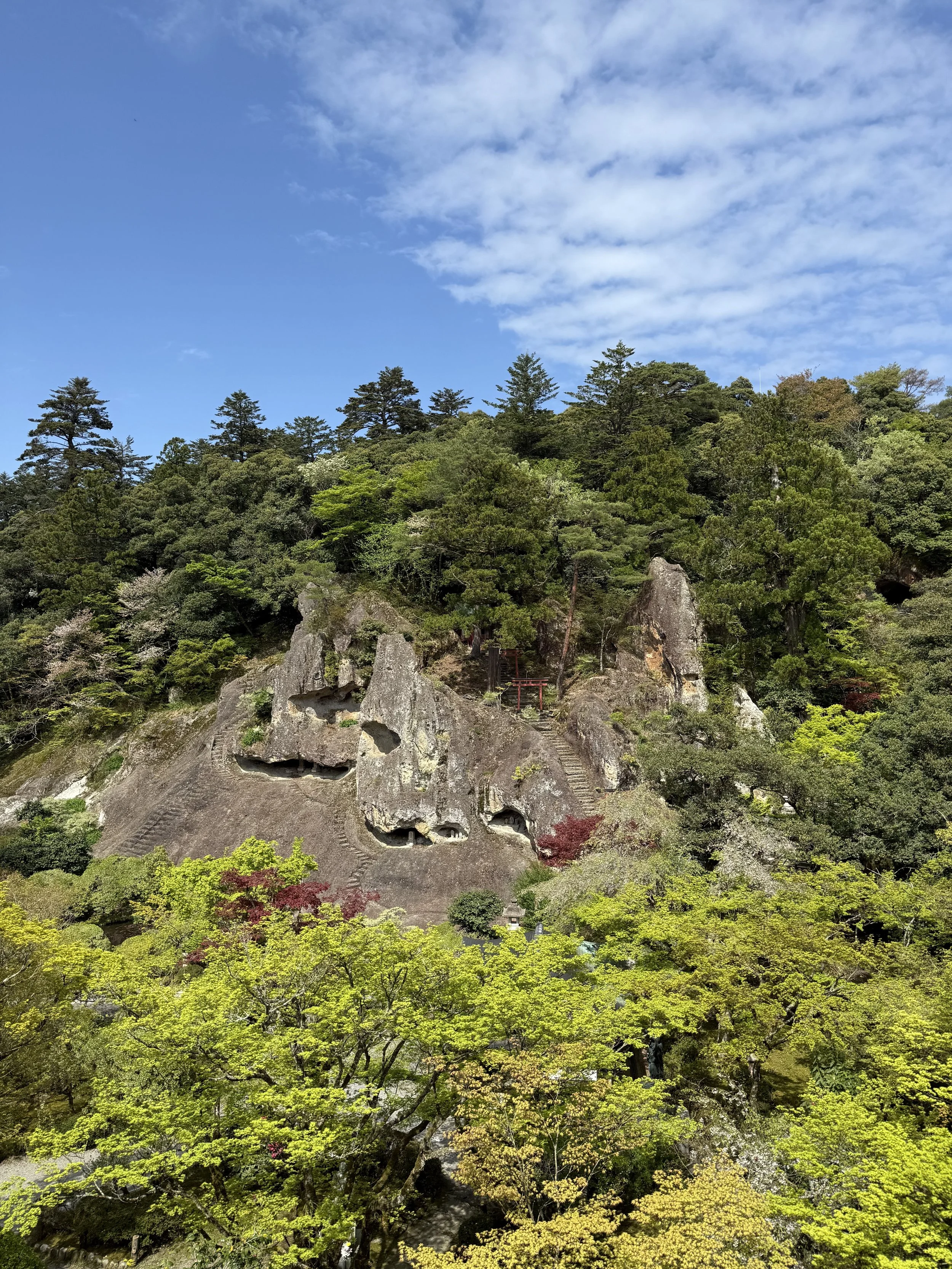
Natadera is a temple connected to the sacred Mount Hakusan faith and preserves the teaching of “wisdom through nature,” which emphasizes reverence for the natural world. It has received one star in the Michelin Green Guide Japan and is home to many Important Cultural Properties.
There were no foreign tourists there at all, and with our guide, we were able to explore the temple grounds slowly and peacefully—bringing the tour to a truly special and memorable close.